
Compost Center
What is composting?
Composting is the natural process of recycling organic materials like food scraps, leaves, and plant matter into nutrient-rich soil. In forests, fields, and gardens, this process happens constantly as fallen leaves, plants, and other organic material break down and return their nutrients to the earth.
By composting at home, we mimic this natural cycle. Transforming what would otherwise be waste into living soil that supports plants, gardens, and ecosystems.
With the help of microorganisms, fungi, oxygen, and moisture, organic materials slowly decompose into dark, crumbly compost often called “black gold” for its incredible ability to enrich soil.
Why compost?
Composting is one of the simplest ways individuals can support the health of the planet while improving their own gardens and landscapes.
Reduce Waste
Food scraps and yard waste make up a large portion of what ends up in landfills. Composting keeps these materials out of landfills where they would otherwise produce methane, a powerful greenhouse gas.
Build Healthy Soil
Compost improves soil structure, helping it retain moisture while also improving drainage. It adds valuable nutrients and supports the microorganisms that plants rely on to grow strong and resilient.
Grow Healthier Plants
Compost acts as a slow-release fertilizer, providing plants with nutrients over time while strengthening root systems and improving plant health.
Support Biodiversity
Healthy soil is full of life! From beneficial microbes to earthworms. Compost feeds this underground ecosystem, which in turn supports plants, pollinators, and wildlife.
Close the Natural Loop
In nature, nothing goes to waste. Composting allows us to participate in that same cycle, returning nutrients to the soil and helping new life grow.
Nature demands a gift for everything that it gives, so what we have to keep doing, is returning [leaves & compost materials] back to the soil, then we're continuously giving the gifts to nature, because we have a return cycle.-Geoff Lawton
Compost Methods
Backyard Compost Pile
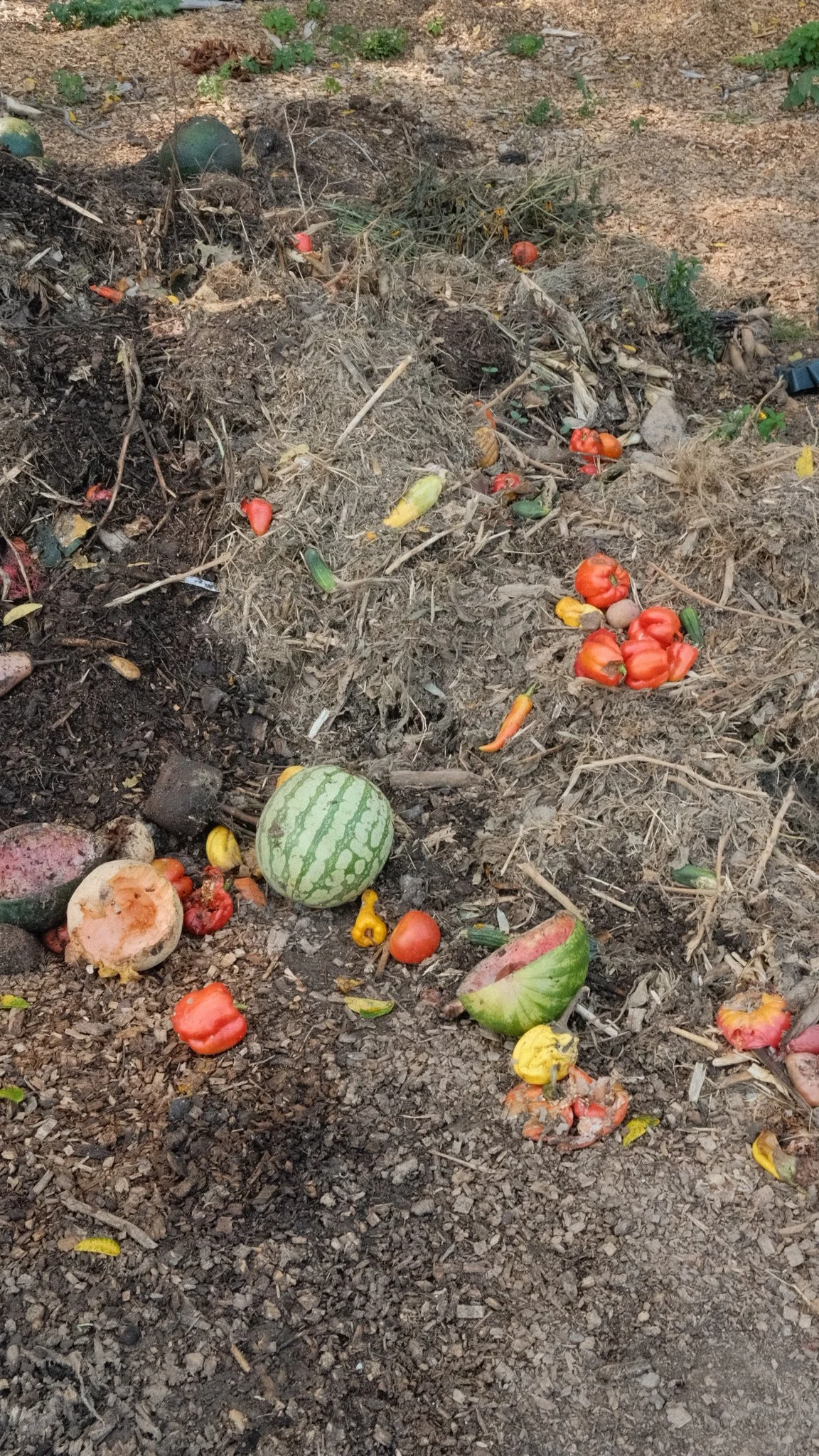
One of the simplest ways to compost is by creating a pile in a corner of your yard. Layers of greens (food scraps, grass clippings) and browns (dry leaves, cardboard) are added over time and turned occasionally to help the materials break down.
This method is low-cost and works well for households with yard space and regular garden waste.
There are many ways to compost, from simple backyard piles to small indoor systems. The best method depends on your available space, the amount of organic material you produce, and how involved in the process you want to be
Compost Tumblers
Tumblers are enclosed containers mounted on a frame that can be rotated to mix the compost. Turning the compost regularly helps speed up decomposition and reduces odors.
Tumblers are popular for people who want faster compost and a more contained system.
Community Composting
Many cities offer community compost programs or drop-off sites where residents can bring food scraps and organic waste. These programs allow people without yards or compost systems to still participate in composting.
Compost Bins
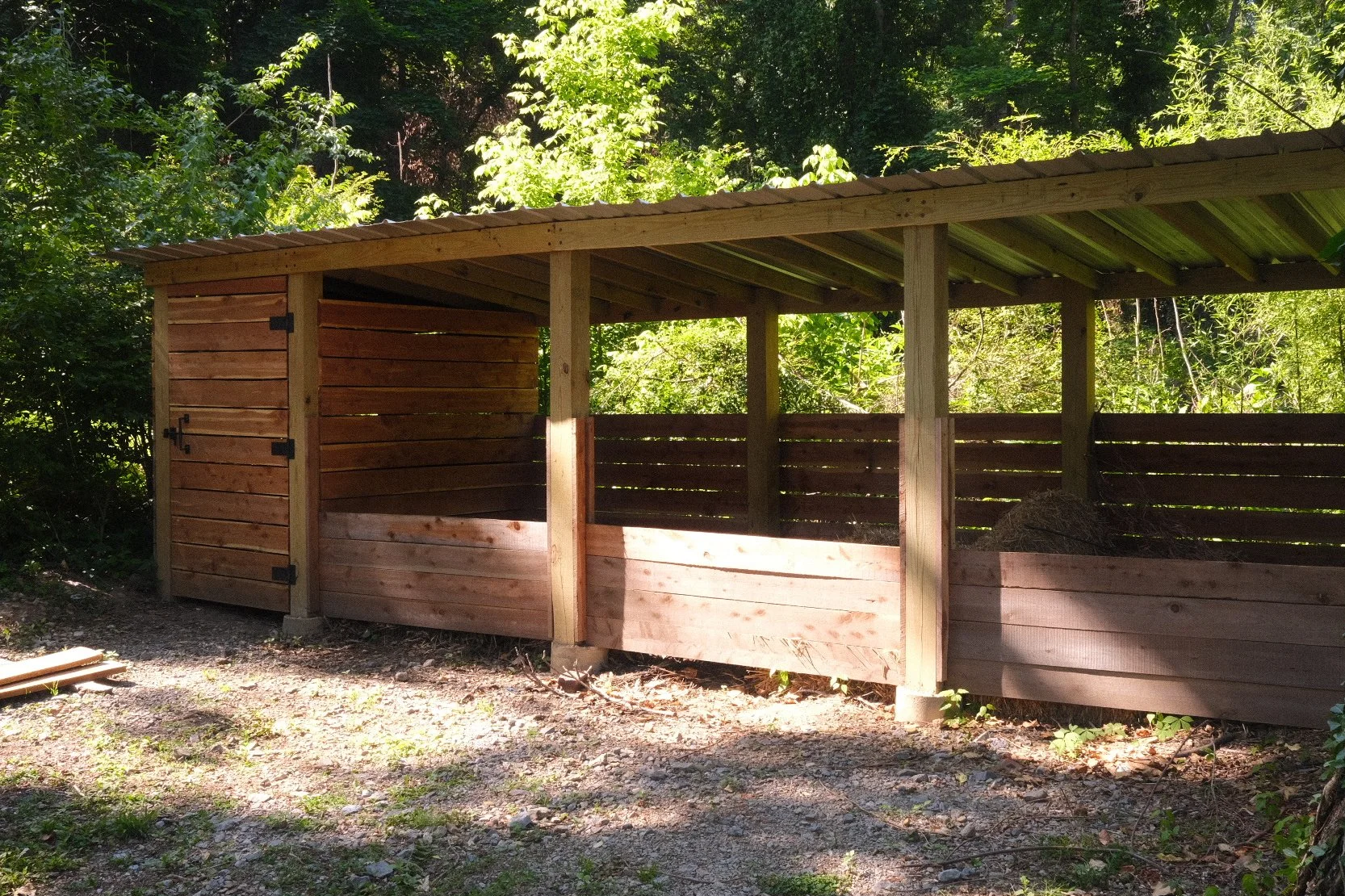
Compost bins keep materials contained and can help maintain heat and moisture levels for faster decomposition. Bins can be purchased or built from wood, wire, or other materials.
They are a great option for keeping compost tidy while still allowing airflow and easy turning.
Vermicomposting (Worm Composting)
Vermicomposting uses special composting worms to break down food scraps into nutrient-rich castings. Worm bins are compact and can be kept indoors or on a balcony.
This method is ideal for apartments or homes without outdoor space.
Countertop Food Recyclers
Countertop composters like Lomi, Mill, and similar systems offer a convenient option for people who want to reduce food waste indoors. These electric devices dry, heat, and grind food scraps into a smaller, soil-like material.
While this process does not create finished compost in the traditional sense, it significantly reduces food waste volume and produces a material that can be added to compost piles, mixed into soil, or placed in green waste collection depending on the manufacturer’s guidance.
These systems can be helpful for households without outdoor compost space or for people looking for an odor-free way to manage food scraps indoors.
Natural composting uses microbes, fungi, and time to break down organic matter, while countertop food recyclers use heat and grinding to speed up the process.
What to compost
Greens (Nitrogen-Rich)
Fruits and vegetable scraps
Coffee grounds and paper filters
Tea bags (Plastic-free)
Fresh grass clippings
Plant trimmings and garden waste
Crushed eggshells
Bread, grains and pasta (in small amounts)
Browns (Carbon-Rich)
Straw or hay
Shredded newspaper or paper
Cardboard (plain, shredded)
Small twigs and wood chips
Sawdust from untreated wood
Paper towels and napkins (unbleached if possible)
A good rule of thumb is to add more browns than greens to keep compost healthy and odor-free
What not to compost
Some materials can attract pests, create odors, or introduce harmful pathogens into compost.
Avoid adding:
Meat or fish
Dairy products
Oils, grease, or fatty foods
Bones
Pet waste (dog or cat feces)
Diseased plants
Plants treated with pesticides or herbicides
Coal or charcoal ash
Glossy or heavily coated paper
Plastics, metals, or synthetic materials
These items are better disposed of through other waste systems rather than compost.
How to start composting
-
Select the method that works best for your space and lifestyle. Backyard piles, compost bins, tumblers, worm bins, and countertop systems all break down organic material in different ways.
-
If composting outdoors, choose a well-drained spot with partial sun and good airflow.
-
Begin your compost with a layer of browns such as dry leaves, shredded cardboard, or straw. This helps create airflow and prevents the pile from becoming compacted.
-
Add food scraps and other greens in thin layers, then cover them with browns. Maintaining a balance, roughly 2–3 parts browns to 1 part greens, helps keep the pile healthy and prevents odors.
-
Your compost should feel damp like a wrung-out sponge.
If it becomes too dry, add a little water. If it becomes too wet, mix in more dry browns like leaves or cardboard.
-
Turning your compost introduces oxygen, which helps microorganisms break down materials more efficiently.
For active compost piles: turn every 1–2 weeks
For slower, low-maintenance piles: turn once a month
Compost tumblers can be rotated every few days
Regular turning speeds up decomposition and prevents odors.
-
Depending on the method and conditions, compost can take anywhere from 2–12 months to fully break down. Warm temperatures, proper moisture, and regular turning will speed up the process.
-
Finished compost is dark, crumbly, and smells earthy. It can be mixed into garden beds, used to enrich potting soil, or spread around plants to improve soil health.
Compost Problems and How to Fix Them
5
Compost smells bad
1
This usually means the pile has too many greens or not enough oxygen.
Fix: Add more browns like dry leaves or shredded cardboard and turn the pile to introduce air.
Compost is not breaking down
2
If materials seem unchanged after weeks, the pile may lack nitrogen, moisture, or airflow.
Fix: Add greens such as fruit scraps or grass clippings, moisten the pile slightly, and turn it.
Pile is too dry
3
Microorganisms need moisture to break down organic material.
Fix: Lightly water the pile and mix it.
Pile is too wet or soggy
4
Fruit flies or pests
Too much moisture can reduce oxygen and slow decomposition.
Fix: Add dry browns like leaves, paper, or straw and turn the pile.
Exposed food scraps can attract insects.
Fix: Always bury food scraps beneath a layer of browns.
Making a real impact in our ecosystem
Composting does more than enrich gardens, it helps rebuild healthy soil ecosystems that support life above and below ground. A single handful of healthy soil contains billions of microorganisms, including bacteria, fungi, and tiny invertebrates, all working together to break down organic matter and cycle nutrients. By adding compost to soil, we feed this underground community, improve water retention, and help plants grow stronger and more resilient. Healthier plants, in turn, provide better food and habitat for pollinators, birds, and other wildlife. Compost also helps store carbon in the soil, reducing greenhouse gas emissions, and allows us to participate in the same natural cycles that return nutrients to the earth in forests and fields. In this way, composting connects our daily actions directly to thriving ecosystems, making even small efforts meaningful for the planet.
Feed the soil, not the landfill
Resources
Books
Composting and Worm Farming by Dion Rosser
Composting for a New Generation by Michelle Balz
The Rodale Book of Composting
Let it Rot! by Stu Campbell
The Humane Handbook by Joseph Jenkins
Books for children
Compost: A Family Guide to Making Soil from Scraps by Ben Raskin
Composting for Community by Hannah Abbo and Michael Martinez
World of Rot: Learn All about the Wriggly, Slimy, Super-Cool Decomposers We Couldn't Live Without By Britt Crow-Miller
Why do we Need Worms? by Katie Danes
Online
Podcasts
Growers Daily hosted by Jesse Frost