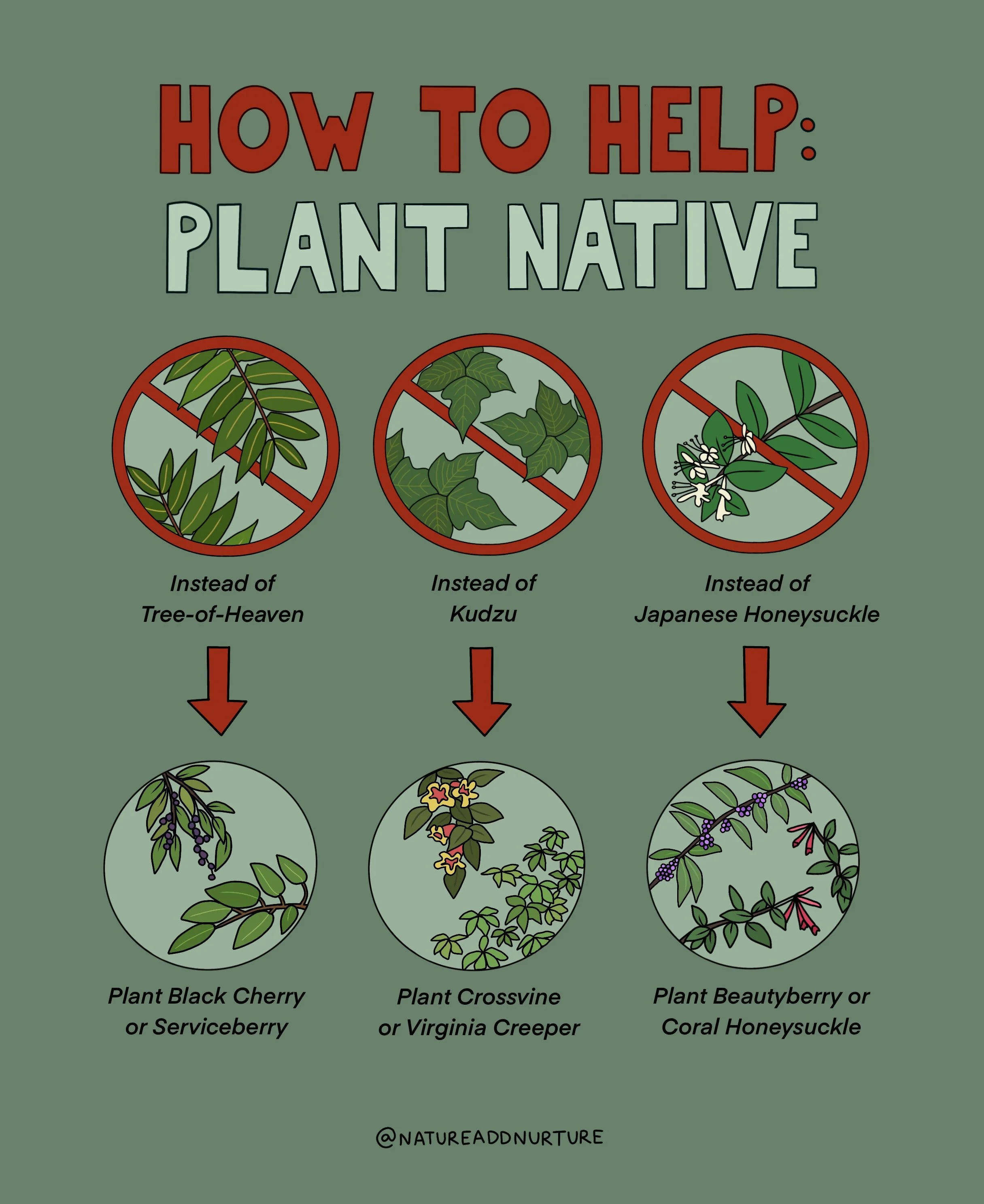
Intro to Invasives
Invasive plant species have become a significant threat to ecosystems. They are disrupting natural ecological processes and reducing biodiversity. Many of these species were originally introduced by humans intentionally for ornamental, agricultural, or erosion-control purposes. However, once established outside their native range, some plants spread rapidly and outcompete native vegetation. As a result human intervention is required to manage or remove these species in order to restore ecological balance. Unfortunately, controlling invasive plants is not always as simple as pulling them out or cutting them down, as many possess biological traits that allow them to regrow, spread aggressively, or persist. Understanding how to recognize and manage these species is an important step in protecting native ecosystems. It also deepens our connection and role in the environment around us.
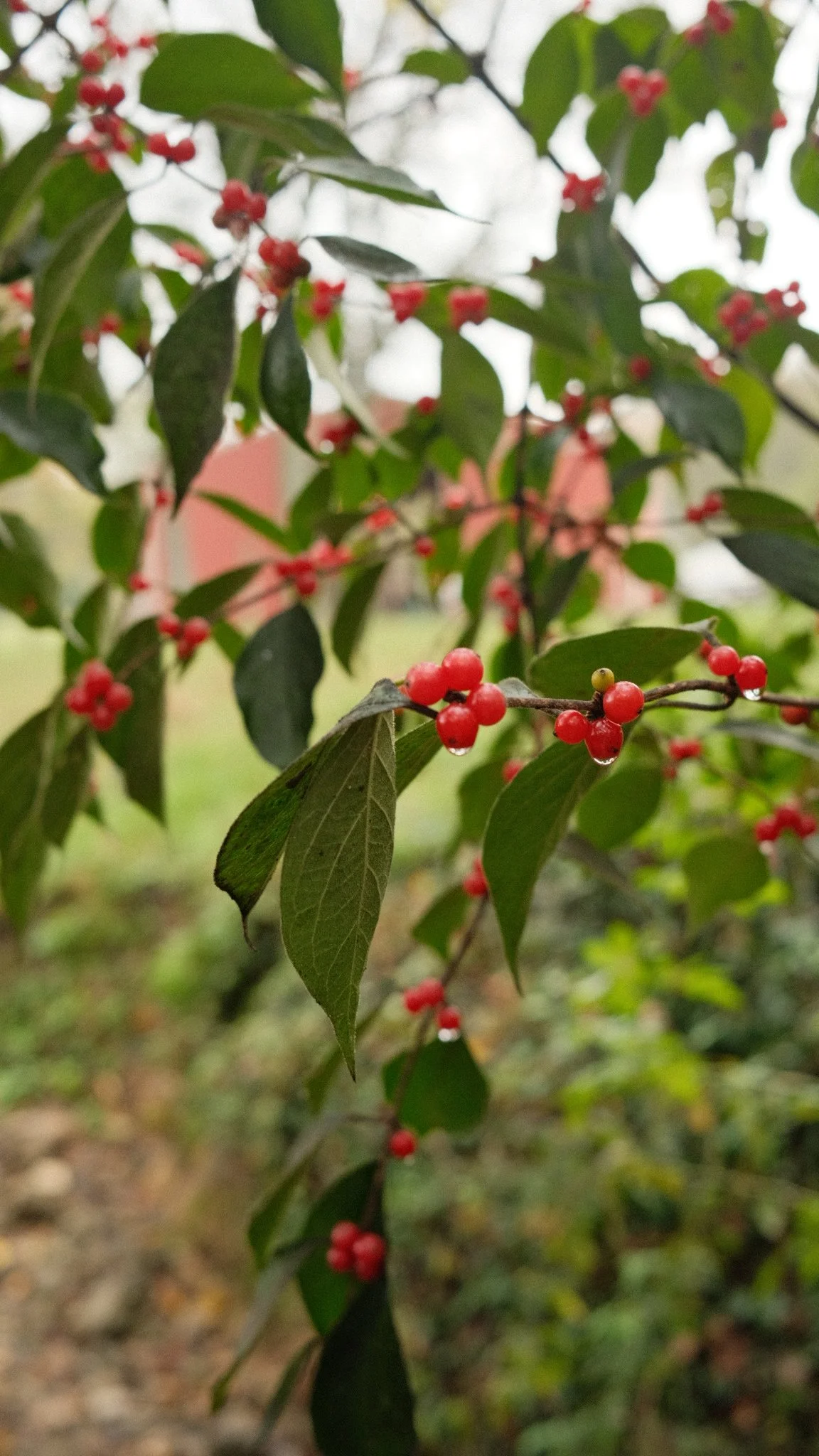
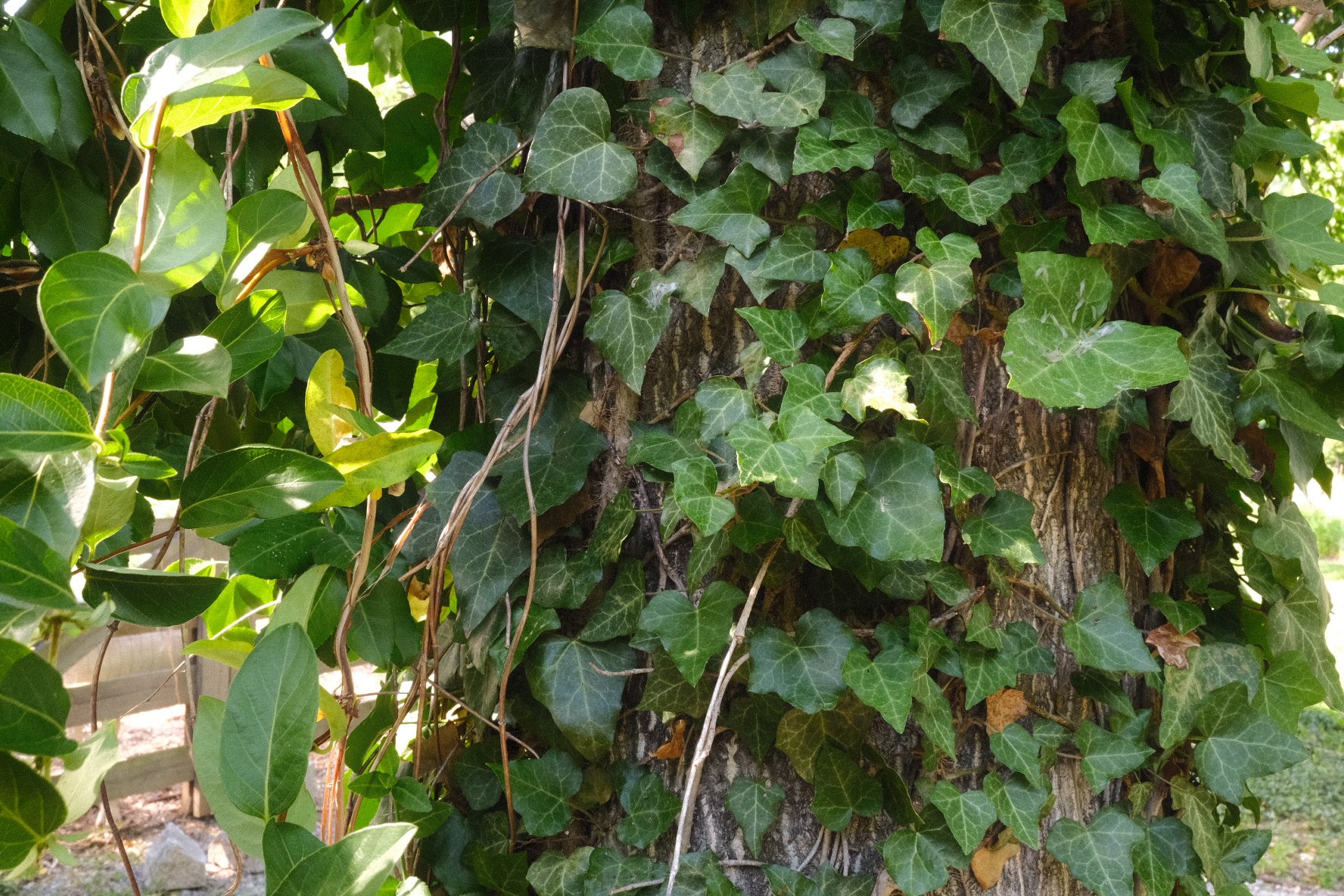
Winter Creeper and English Ivy crawling up a Tree-of-Heaven
What are invasive plants?
Invasive plants are species introduced outside their native range that spread rapidly and cause ecological or economic harm. These species establish quickly and outcompete native vegetation.
Without the natural predators and environmental controls found in their native habitats, these plants can grow aggressively and dominate landscapes.
Non-native plants are species that come from other regions but don’t necessarily cause harm. Invasive plants, on the other hand, spread aggressively and disrupt ecosystems, often outcompeting native species and altering habitats.
Understanding what makes a plant invasive is an important first step in identifying and managing these species.
How did they get here?
Most invasive plants were brought to North America intentionally for landscaping, agriculture, or erosion control. Others arrived accidentally through global trade, shipping, or travelers. When introduced, some species spread rapidly, often beyond the areas where they were first planted.
Then invasive plants spread in many ways: seeds carried by wind, water, or animals; roots and fragments that take hold in new areas; and human activity, such as gardening, landscaping, or global trade.
Non-Native Does Not Mean Invasive
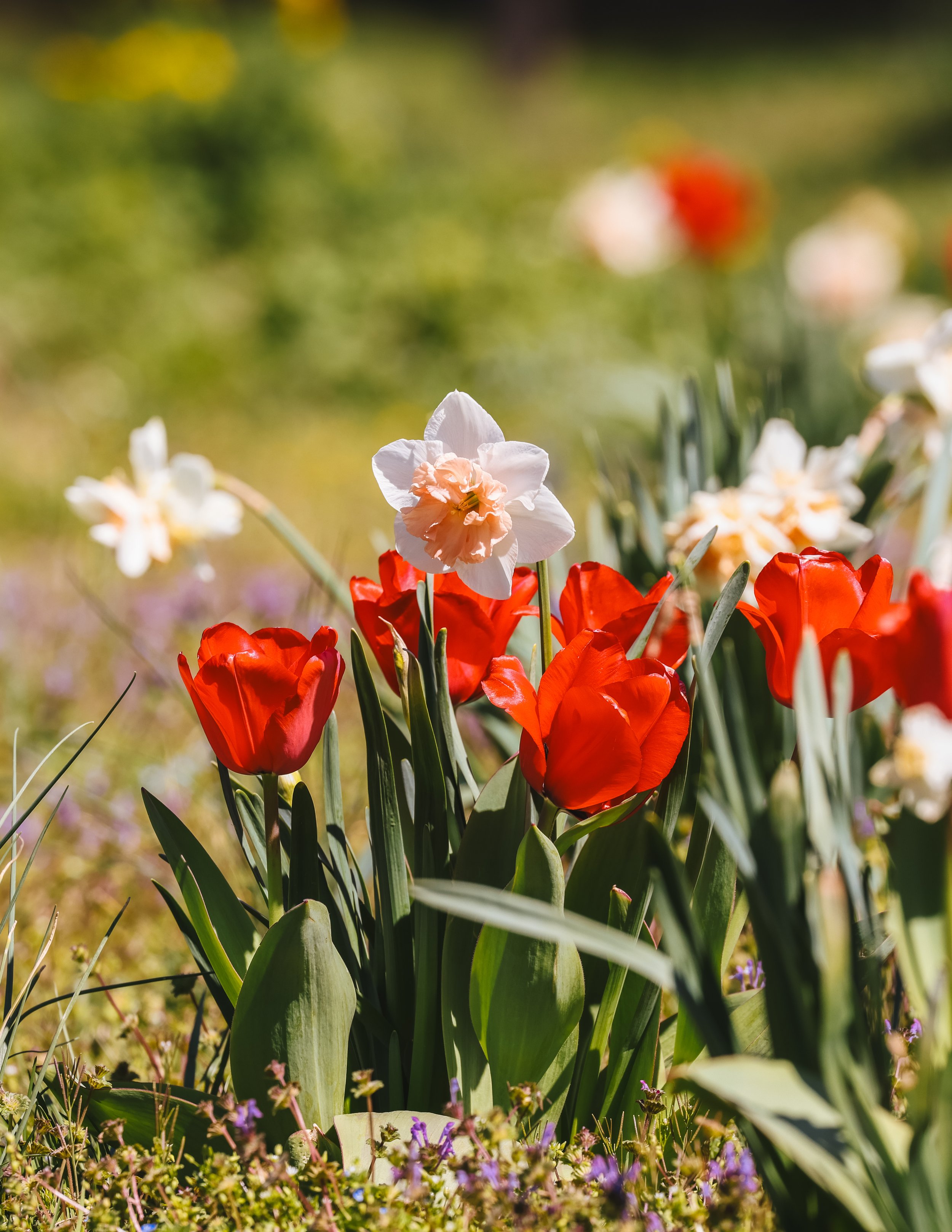
Not all plants that come from outside a region are harmful. A non-native species simply means it did not originate in that ecosystem. Many non-native plants coexist without causing damage, and some are even beneficial in gardens or agriculture.
A species is only considered invasive when it spreads aggressively and causes harm by outcompeting native species, disrupting ecosystems, or altering natural processes.
Planting native species is highly beneficial for local ecosystems, but gardening itself (regardless of plant origin) is still valuable for people, pollinators, and biodiversity. Don’t be afraid to grow ornamental plants like daffodils or dahlias, or pollinator-friendly non-natives such as lavender, clover, or cosmos, which can still provide important resources for bees and butterflies.
Often called “the vine that ate the South,” kudzu is a fast-growing plant introduced for erosion control that quickly became one of the most aggressive invasive species in the U.S. It blankets trees, fields, and structures, blocking sunlight and overwhelming native plants in its path..
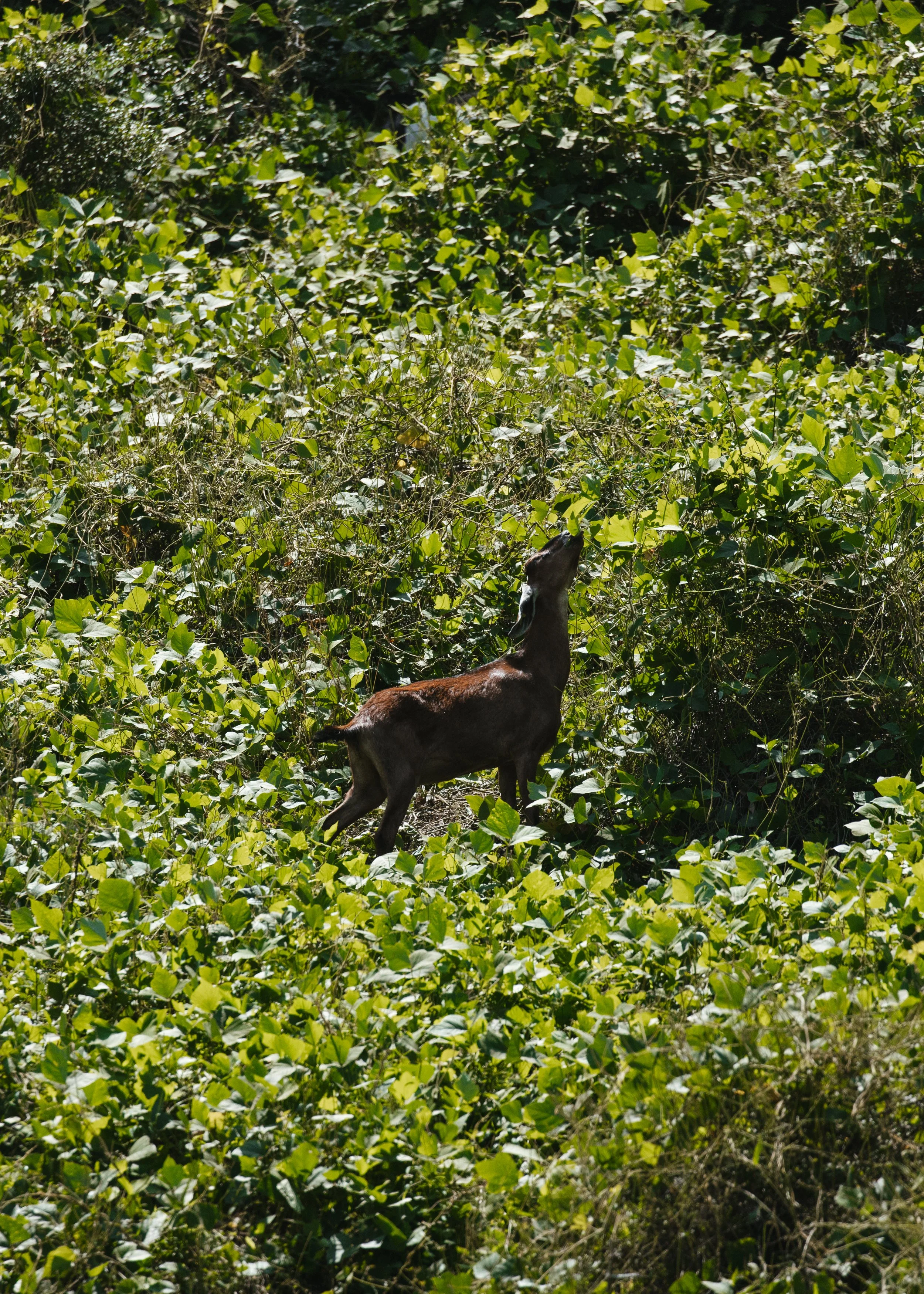
Kudzu
Despite its name, tree-of-heaven is a highly invasive tree known for its rapid growth and ability to thrive in poor conditions. It spreads aggressively through both seeds and roots, often forming dense stands that crowd out native species. It also releases chemicals into the soil (a trait known as Allelopathy) that inhibit the growth of surrounding plants, giving it a powerful competitive advantage.
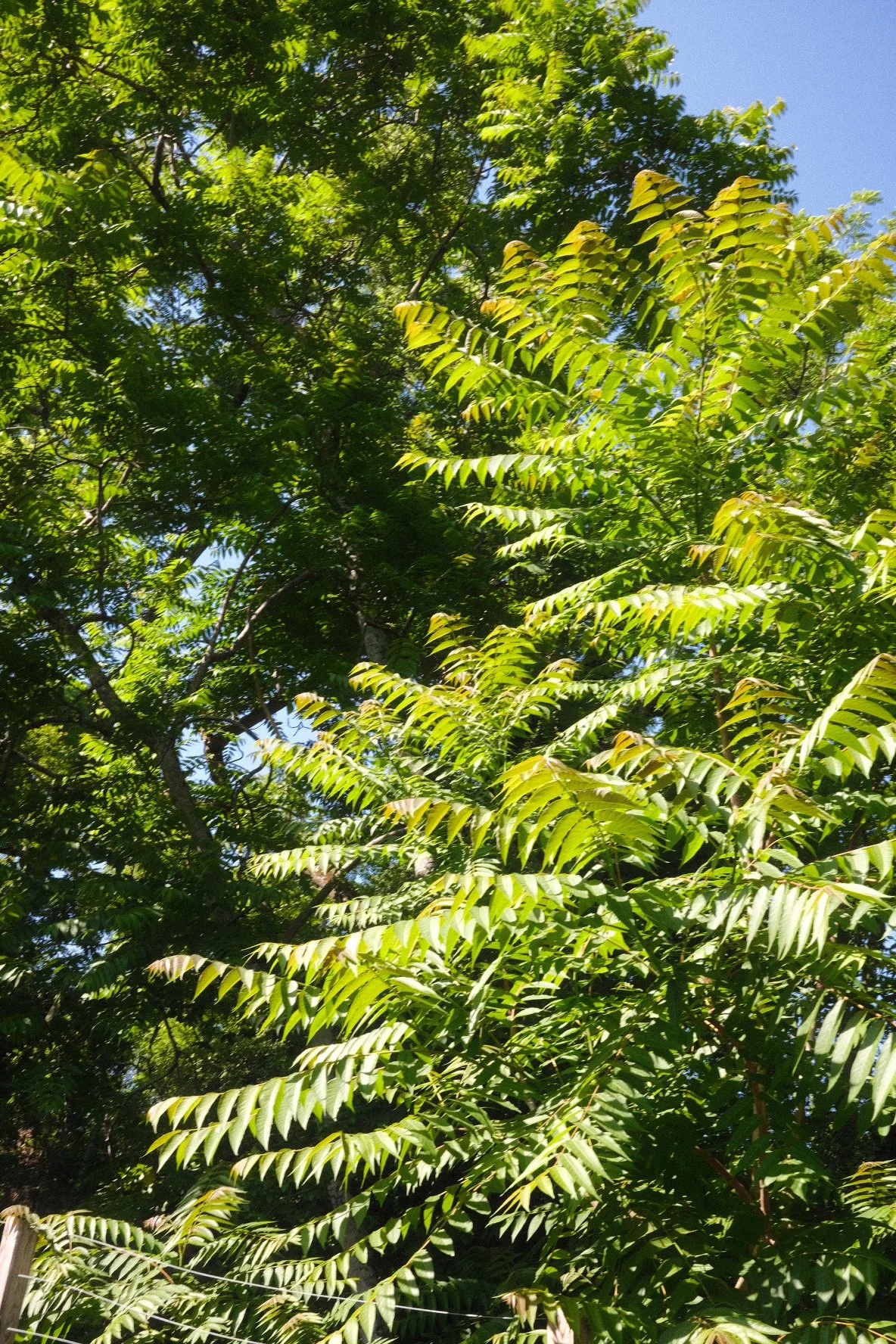
Tree-Of-Heaven
Winter creeper is an evergreen vine that spreads along the ground and climbs up trees, forming dense mats that crowd out native vegetation. Originally used as an ornamental groundcover, it can easily escape cultivation and take over natural areas.
English ivy
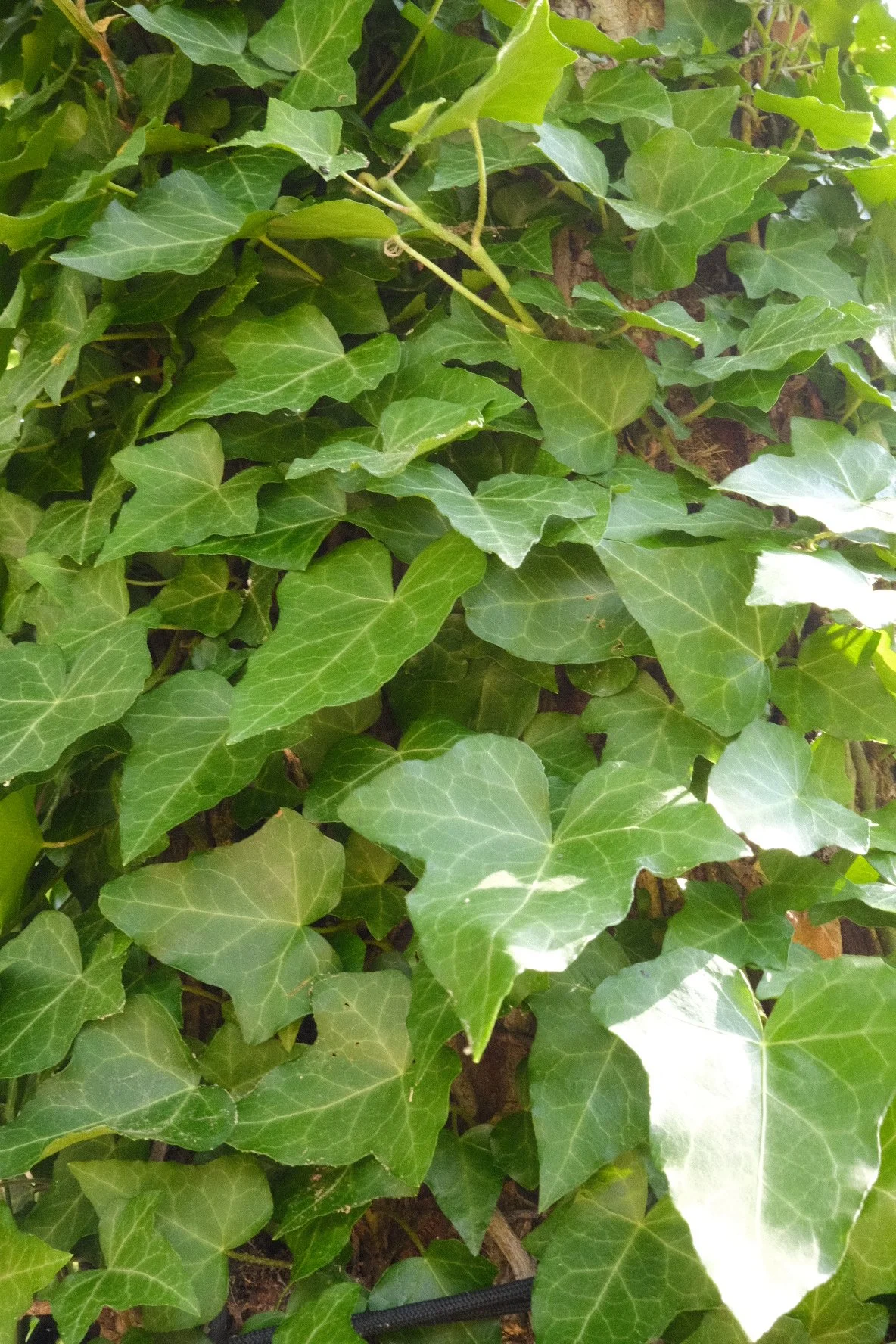
English ivy is an evergreen climbing vine originally introduced as an ornamental plant. It spreads quickly across the ground and up trees, forming dense mats that block sunlight and weigh down vegetation. Over time, it can weaken or even kill trees by limiting their access to light and nutrients.
Bradford Pear
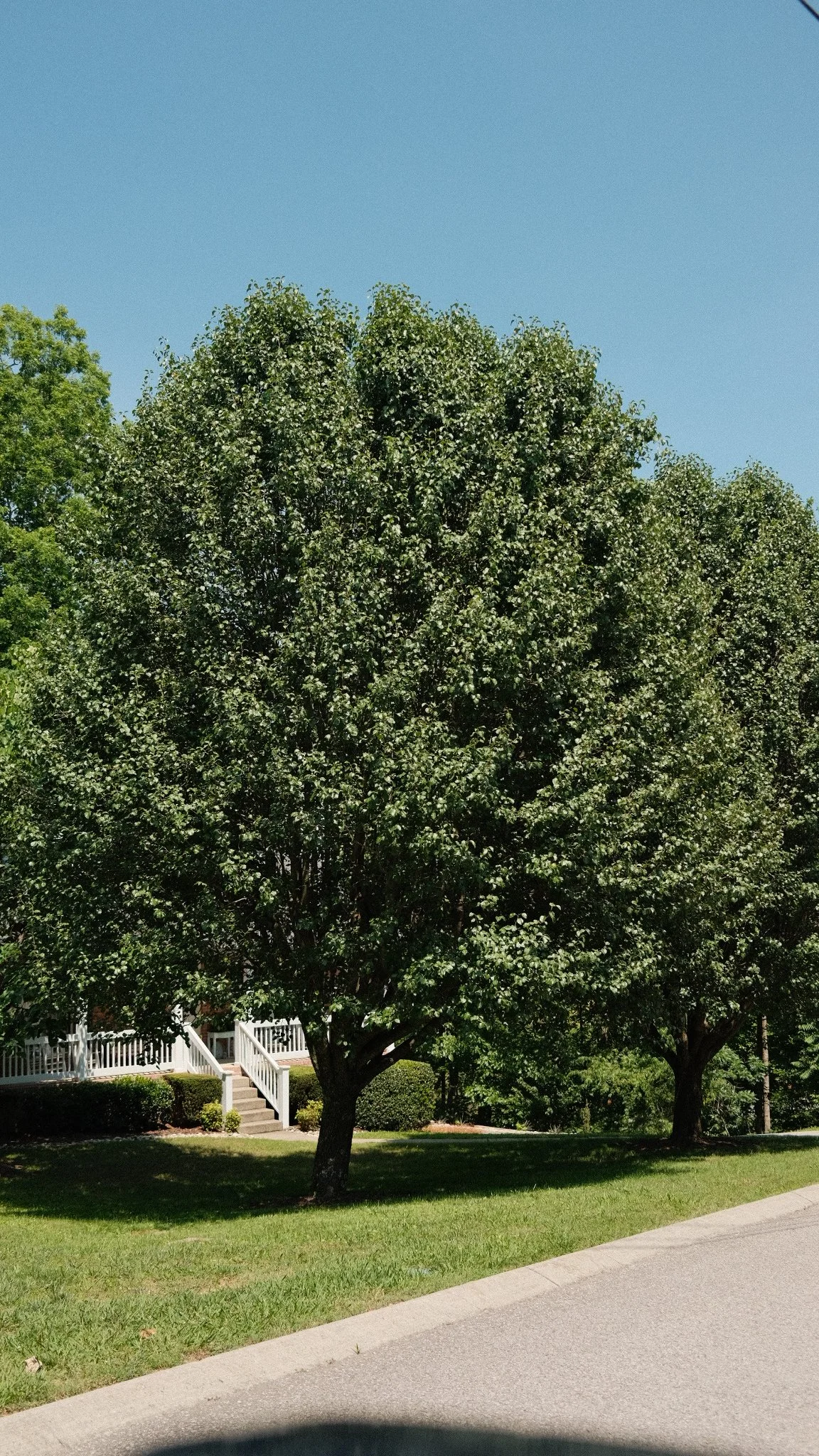
Bradford pear is a fast-growing ornamental tree that was widely planted for its early spring white blossoms. Despite its popularity in landscaping, it has become highly invasive in many areas. It spreads easily, often forming dense, thorny thickets that crowd out native trees and disrupt natural habitats.
-
Kudzu is a fast-growing, woody vine that can cover trees, fences, and entire landscapes. Its leaves are large and made up of three broad leaflets. In summer, it produces clusters of purple, grape-scented flowers, followed by fuzzy seed pods. One of its most defining traits is how quickly it spreads..sometimes up to a foot per day in peak season.
-
Effective removal requires persistence. Small patches can be dug out, making sure to remove the entire root crown. For larger infestations, repeated cutting or mowing throughout the growing season will gradually weaken the plant. Covering the area with heavy tarps can also block sunlight and suppress growth.
Winter creeper
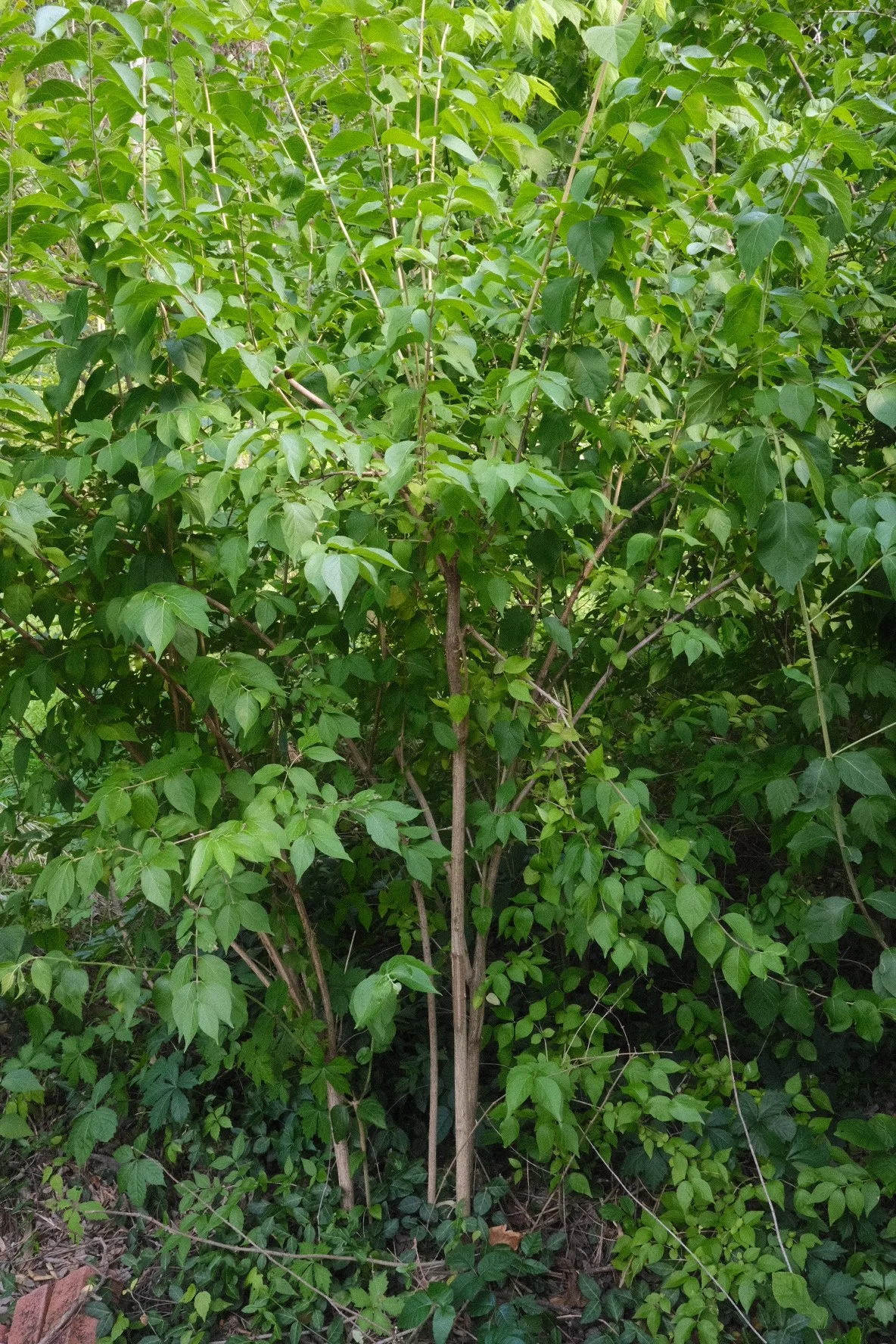
This fragrant, flowering vine was introduced for ornamental use but has since spread widely across North America. It grows aggressively, forming thick tangles that smother native plants and alter habitats, especially in forests and along edges.
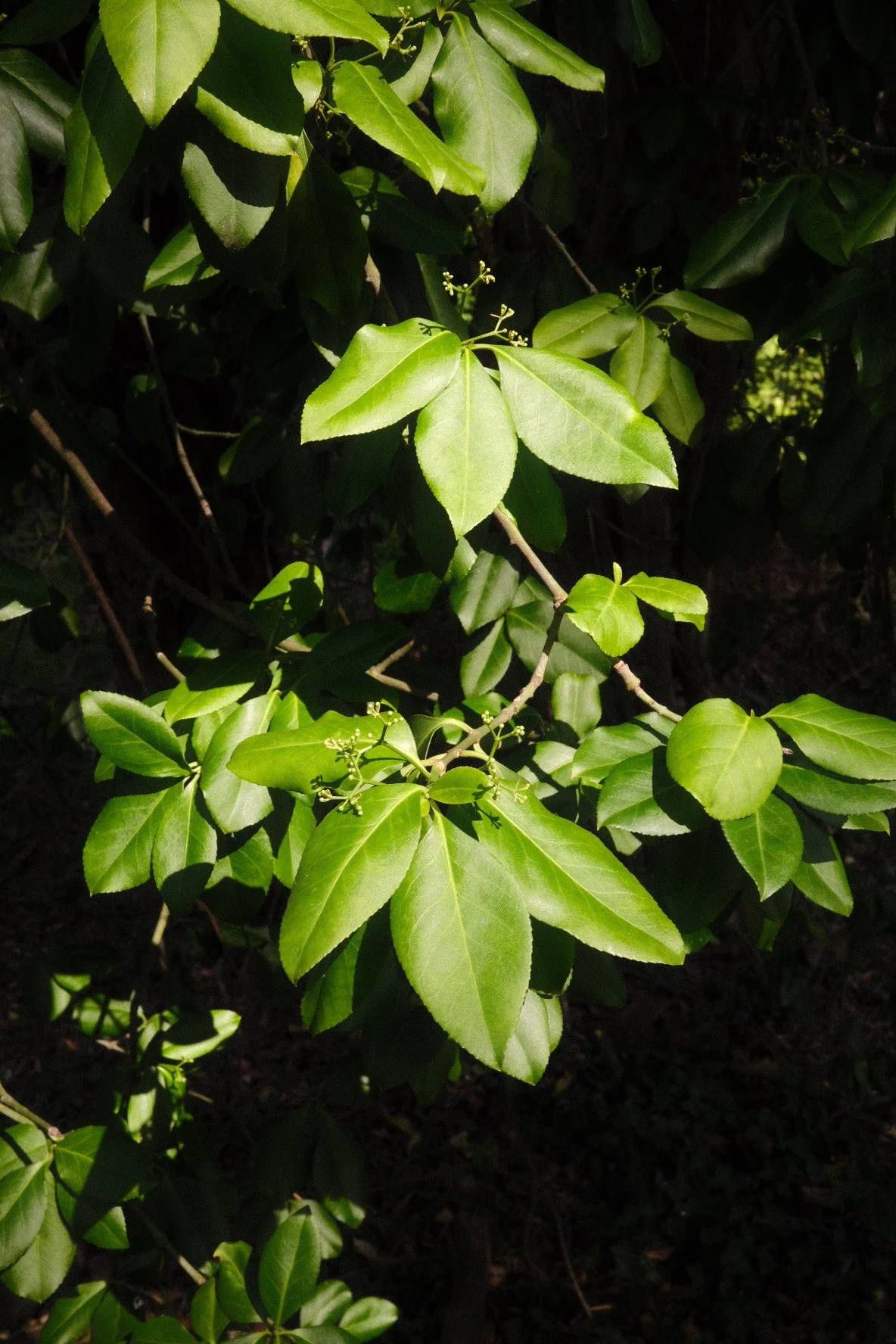
Japanese Honeysuckle
-
Tree-of-heaven is a rapidly growing tree with long, compound leaves that resemble sumac or walnut. Each leaf contains many smaller leaflets with smooth edges and a small notch near the base. When crushed, the leaves emit a strong, unpleasant odor. (Some compare to the smell of rotten peanuts) The tree produces clusters of winged seeds (samaras) that turn reddish in late summer and fall, helping it spread aggressively.
-
Simply cutting this tree down often makes the problem worse, as it responds by sending up many new shoots from its roots. The most effective method is a “cut-and-treat” approach. Cutting the tree and immediately applying herbicide to the stump. For smaller trees, a “hack-and-squirt” method can be used. Repeated monitoring is essential, as root suckers will likely emerge and need to be managed.
-
Japanese honeysuckle is a twining vine with fragrant white flowers that turn yellow as they age. The leaves are oval and grow in opposite pairs along the stem. It can remain semi-evergreen in mild climates and often forms dense tangles that smother native vegetation.
-
Young plants can be hand-pulled, especially after rain when the soil is soft. Mature vines should be cut near the base and removed from supporting plants. Repeated cutting throughout the growing season helps exhaust the plant. Herbicide treatments can be effective for large infestations, particularly when applied to fresh cuts or during active growth periods.
-
Winter creeper is a low-growing, evergreen vine that can also climb trees and structures. Its leaves are small, oval, and glossy, typically dark green with light veining (some varieties have variegation). When climbing, it can form dense mats on tree trunks, sometimes leading to tree stress or damage.
-
Small patches can be hand-pulled, especially when the soil is moist, but care should be taken to remove all roots. For climbing vines, cut them at the base and allow the upper portions to die off before removing. Ground cover infestations may require repeated pulling or the use of herbicide. Mulching afterward can help prevent regrowth.
-
English ivy has dark green, glossy leaves with 3–5 lobes when young. As it matures and climbs, the leaves often become more oval and unlobed. It grows as a trailing ground cover or climbs using small root-like structures that attach to surface
-
Small patches can be pulled by hand, but care must be taken to remove all roots and runners. For climbing ivy, cut vines at the base and remove the upper growth from trees, leaving the rooted section to die off. Repeated cutting and monitoring are usually needed, and dense infestations may require targeted treatment and follow up control.
-
Bradford pear is a medium-sized tree with smooth gray bark and clusters of white flowers that bloom very early in spring, often before most other trees leaf out. Its leaves are glossy, oval-shaped with finely toothed edges, and turn red or purple in fall. Offspring often develop sharp thorns along branches.
-
Young trees can be dug out when the soil is soft, ensuring the entire root system is removed. For larger trees, cutting alone will not prevent regrowth, stump treatment with targeted herbicide is typically required. Seedlings and saplings should be monitored and removed promptly, as this species spreads rapidly through seed dispersal by birds.