
Long Live the Monarch
Monarch populations have declined sharply by around 80% - 95% since the 1980’s.
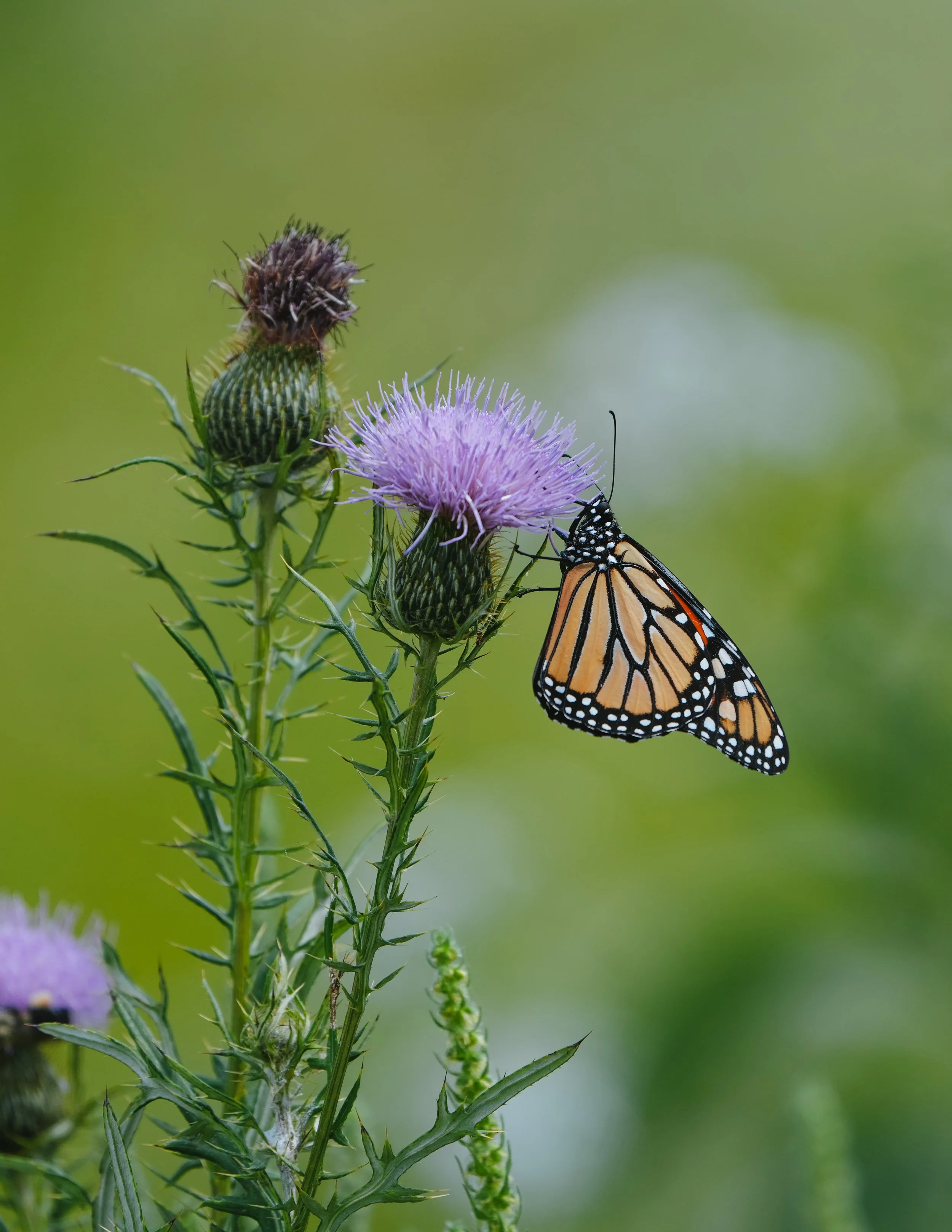
The Monarch butterfly is one of the most iconic pollinators in North America. Recognized for its bright orange wings and long-distance migration, monarchs have become a symbol of environmental change and the urgent need to protect our natural world.
Due to their decline, the monarch has been proposed for protection under the U.S. Endangered Species Act as a threatened species, a major step toward federal protection. In Canada, it is already listed as endangered.
While some recent population increases have offered hope, scientists emphasize that the long-term trend is still downward, and without continued conservation efforts, monarchs face a significant risk of extinction in the future. If we don’t do something, our children, or our children’s children, may never see a Monarch butterfly.
Why are Monarchs declining?
How can we help?
-
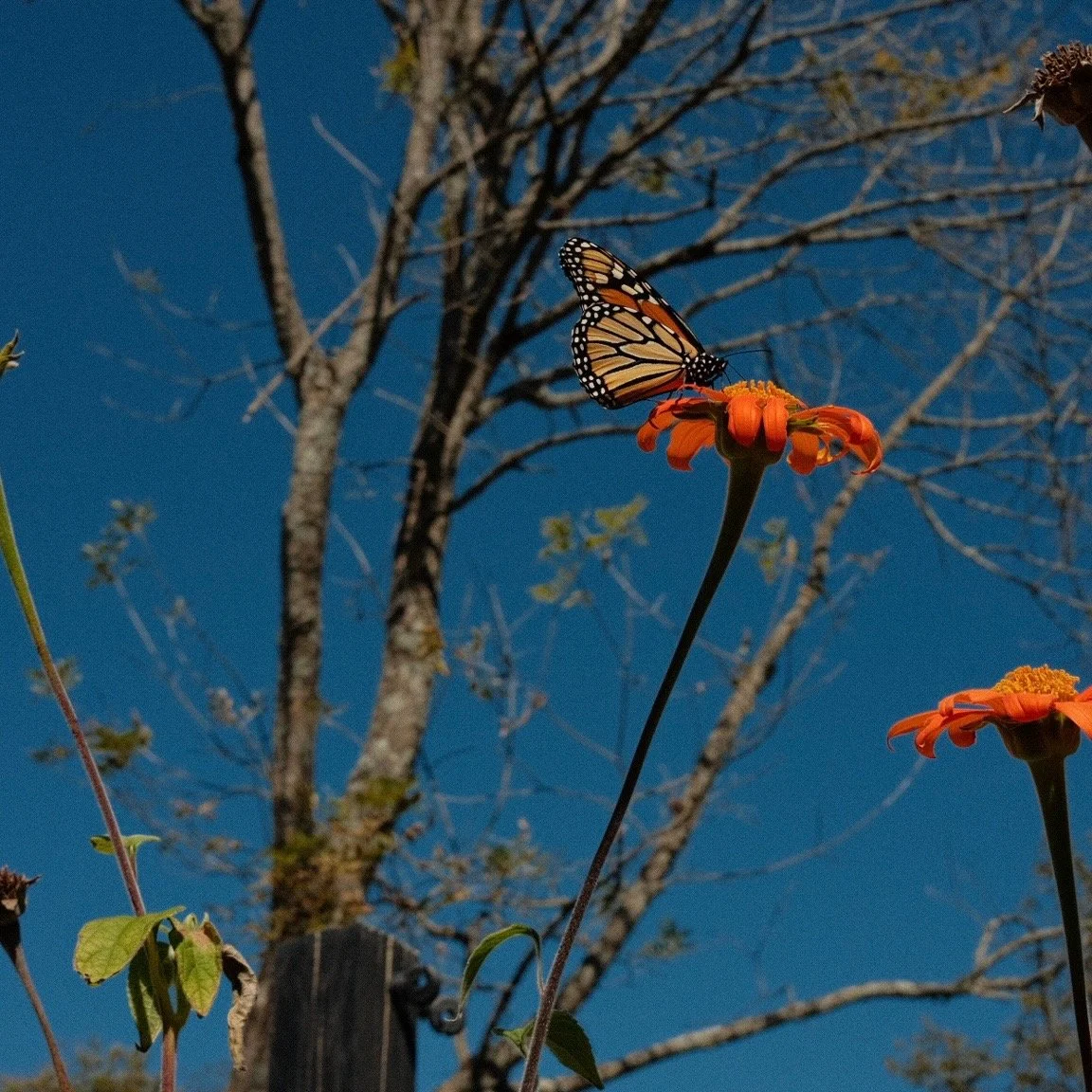
Create habitat wherever you can! Backyards, gardens, schoolyards, and every small space matters. Plant a mix of native flowers and allow some areas to grow naturally instead of fully manicured lawns. Push for sustainable development and regenerative farming practices.
-
Plant native milkweed species in your area. (Check regional planting guides) Milkweed is essential for Monarch reproduction. It’s the sole food source of Monarch caterpillars without it, they cannot survive. Even a few plants can make a difference.
-
Support climate-friendly choices! Plant trees, reduce energy use, refuse plastic and support conservation efforts. Creating gardens with diverse, native plants also helps ecosystems better adapt to changing conditions.
-
Think of your garden as part of a larger network. Planting pollinator-friendly spaces helps create “stepping stones” that monarchs can use during migration. Encourage community planting efforts to expand these connected habitats.
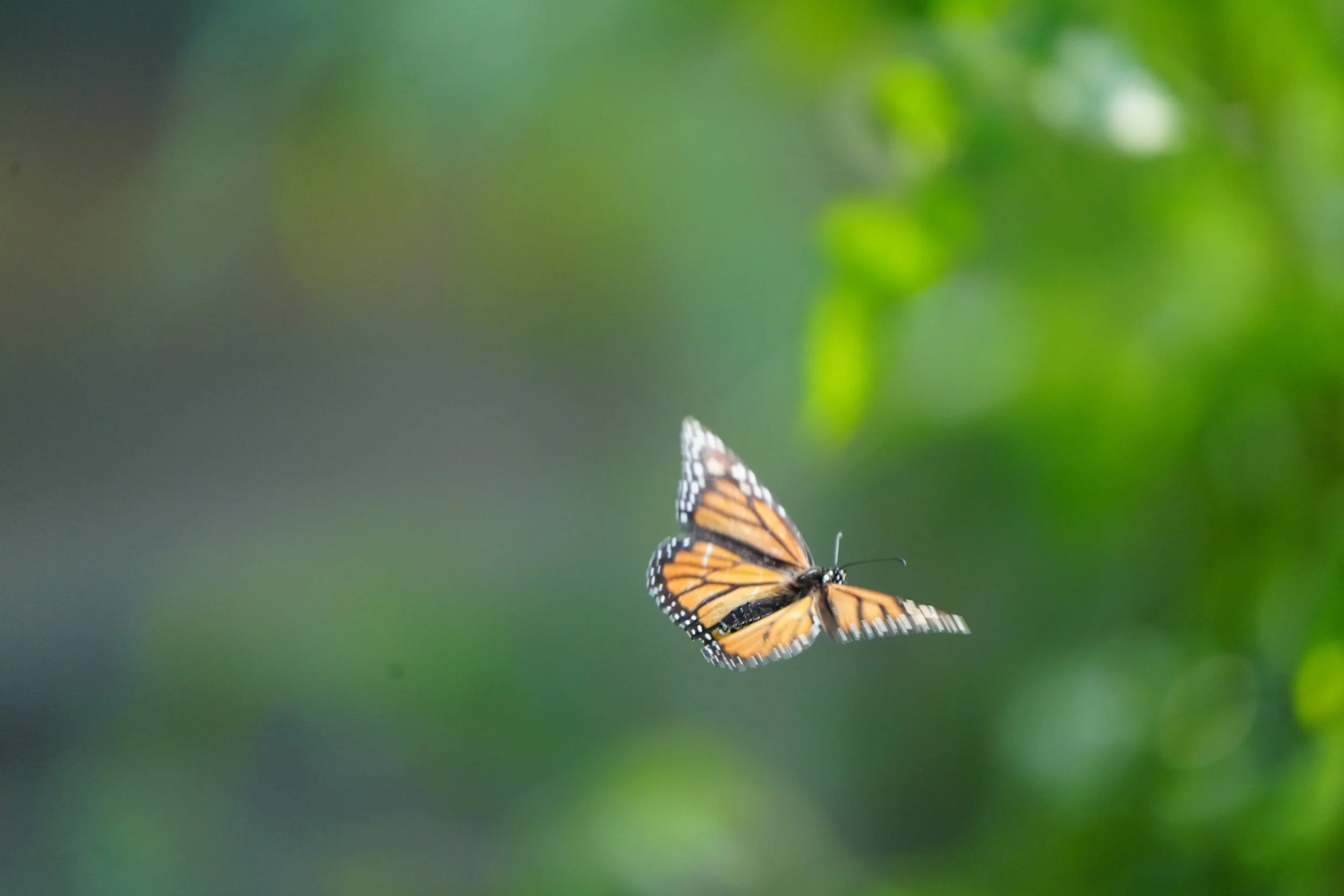
Monarch populations have dropped significantly over the last few decades due to a combination of environmental pressures:
Habitat loss from development and agriculture
Decline of milkweed, the only plant monarch caterpillars can eat
Pesticide and herbicide use, which reduces both milkweed and nectar plants
Climate change, which disrupts migration timing and breeding cycles
Fragmented landscapes, making migration more dangerous and less successful
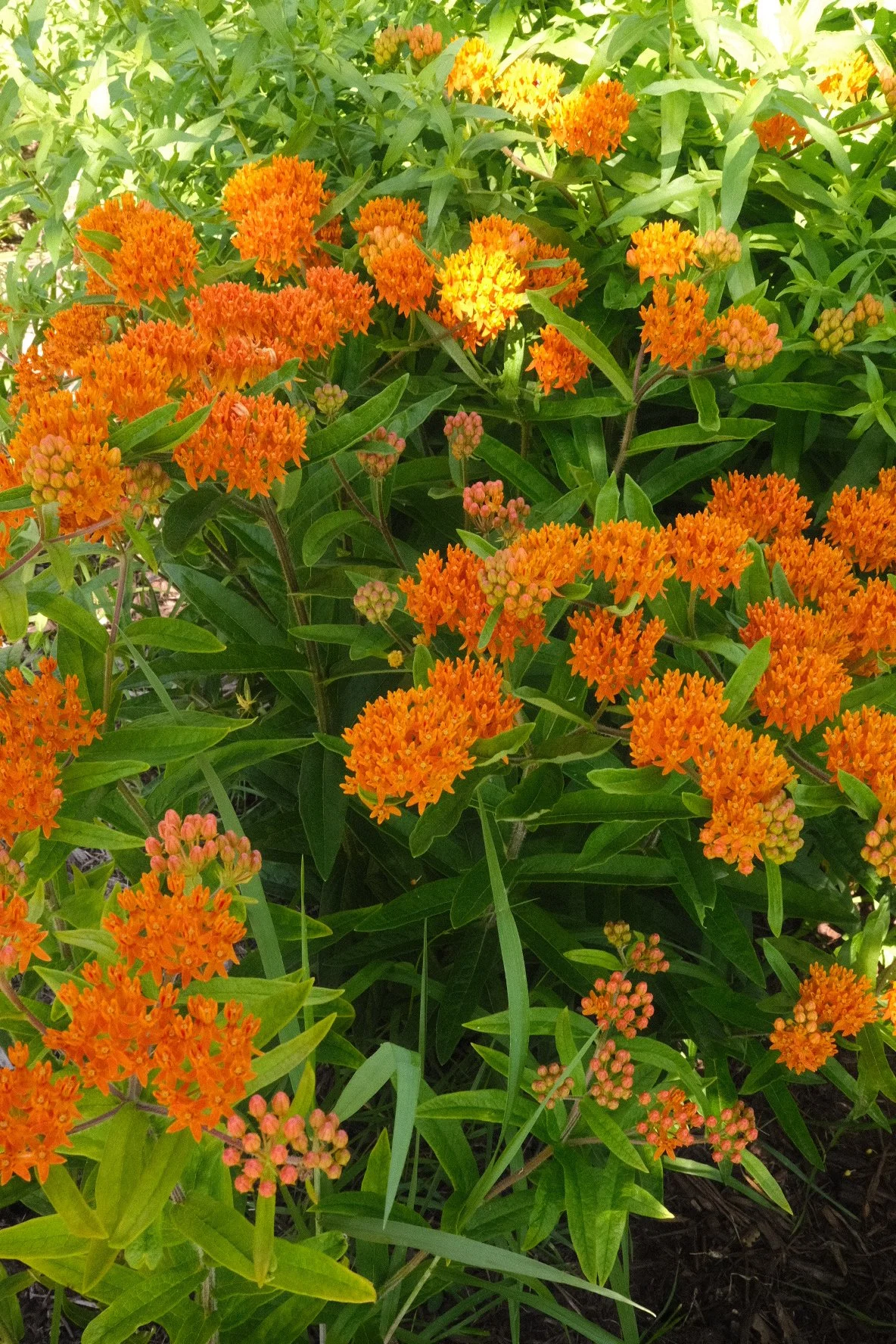
Milkweed Matters.
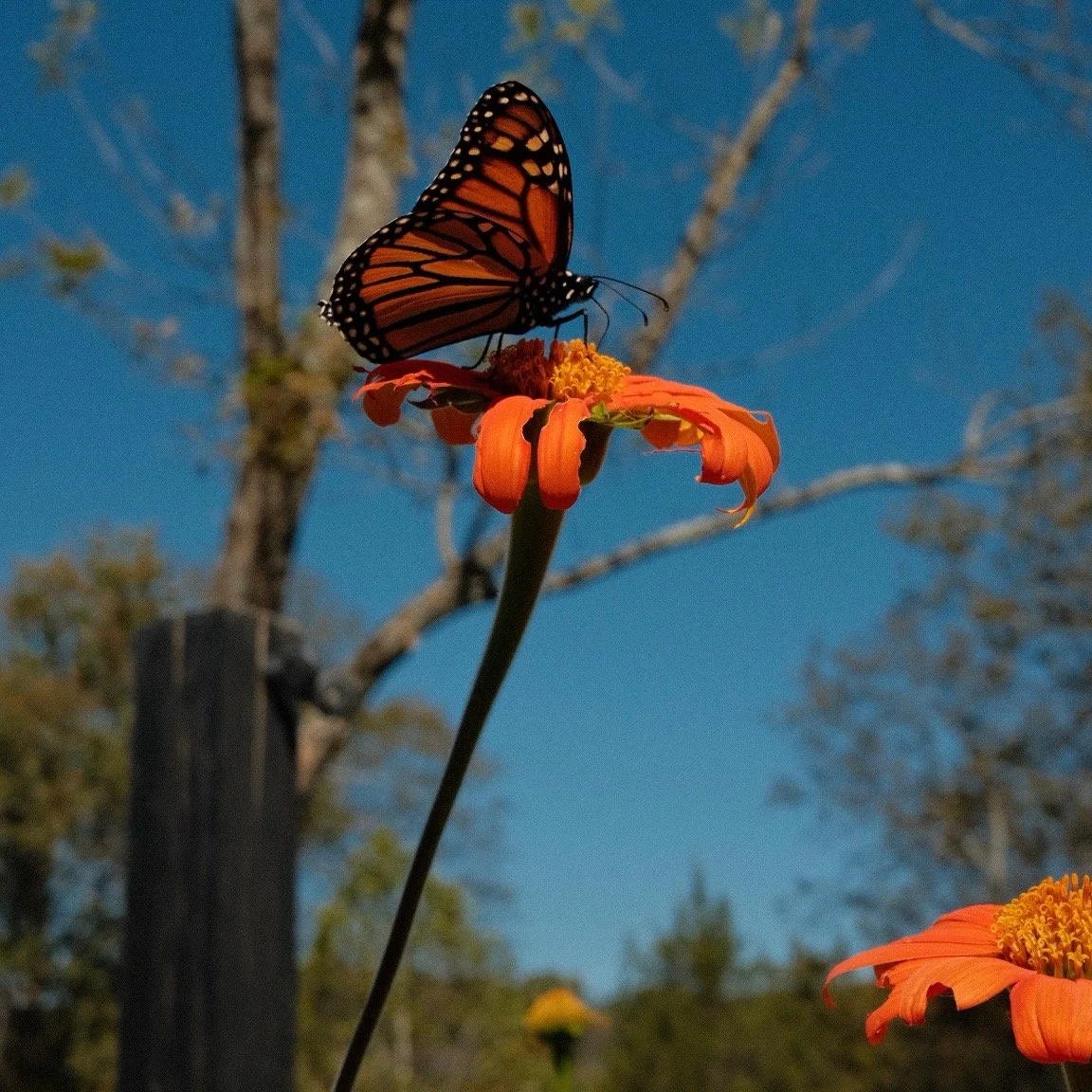
Milkweed is the only plant monarch caterpillars can eat, making it essential for reproduction. Without it, monarch populations cannot recover. But where you plant and what you plant can make an even bigger difference.
States Where Milkweed is Critical
Minnesota, Wisconsin, Michigan, Illinois, Indiana, Ohio, Pennsylvania, New York, Iowa, South Dakota
These areas produce the majority of monarchs each summer. Planting milkweed here has the biggest impact on population recovery. In these areas the main focus is to plant as many large patches of native milkweed. Breeding adults will need nectar plants so mix in native nectar heavy plants.
Native Milkweed Species
Common milkweed (Asclepias syriaca), Swamp milkweed (Asclepias incarnata), Butterfly weed (Asclepias tuberosa)
States That Act as Pollinator Corridors
Kansas, Missouri, Oklahoma, Tennessee, Kentucky, Arkansas, Virginia, North Carolina
These regions are migratory pathways and are essential for monarchs traveling long distances. They rely heavily on nectar to survive the journey. Plant nectar-rich flowers for fueling and some milkweed to support opportunistic breeding.
Monarch Friendly Flowers
Native: Coneflower, Black-eyed Susan, Blazing star, Goldenrod, Aster, Joe-Pye weed, Ironweed
Garden Flowers: Zinnia, Cosmos, Sunflower, Verbena, Salvia, Lantana
Transition Zones
Texas, Georgia, Alabama, South Carolina, Tennessee
These areas support both breeding and migration, depending on the time of year. Both milkweed and nectar plants matter. Plant native milkweed and long-blooming nectar plants to support migrating adults
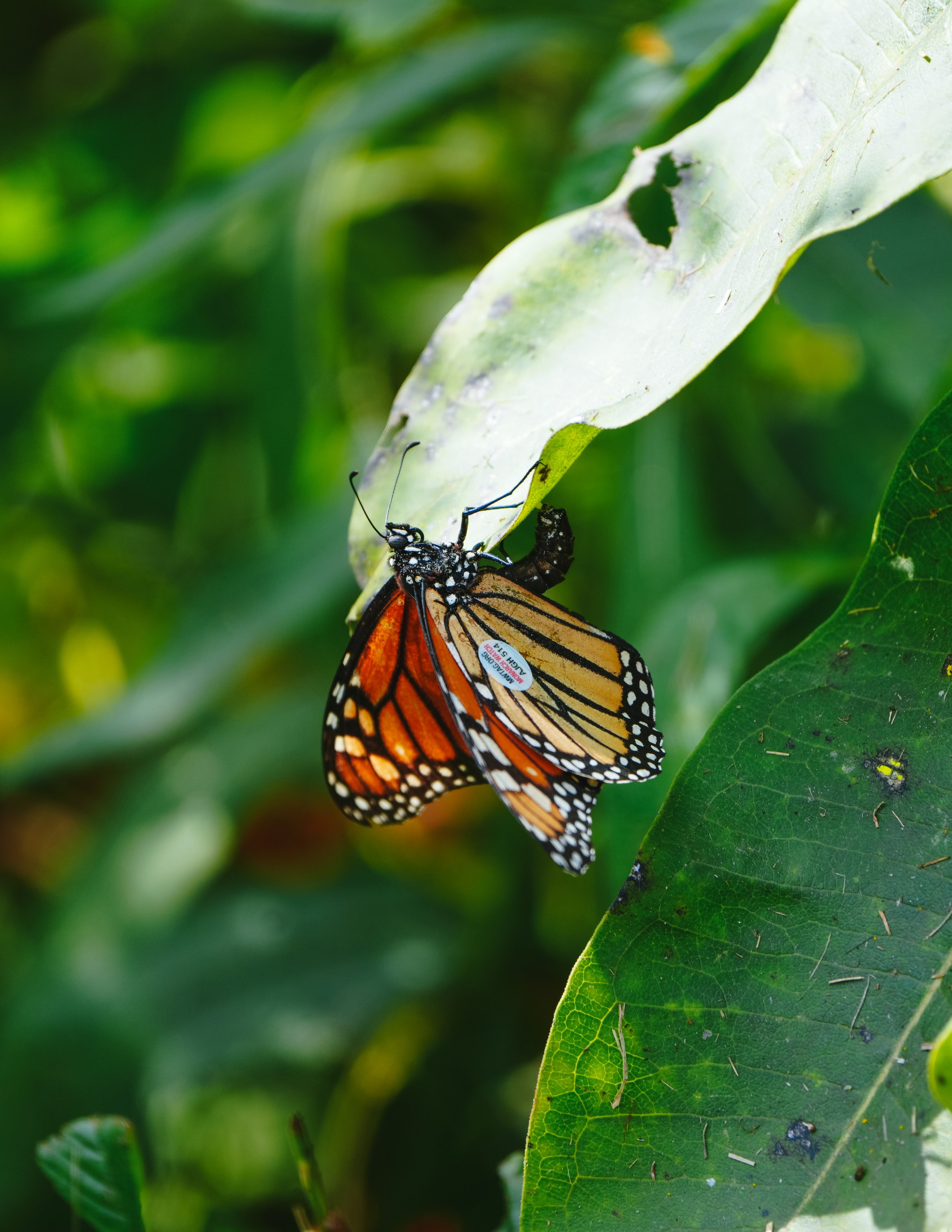
female Monarch laying an egg on milkweed
How to plant for Monarchs
Creating a monarch-friendly garden has key steps in planning. Monarchs rely on a continuous supply of nectar and habitat from early spring through late fall, especially during migration. A successful garden includes both milkweed, which is essential for laying eggs and feeding caterpillars, and nectar-rich flowers for adult butterflies. Planting in clusters makes it easier for monarchs to find and use your garden.
One of the most effective ways to support monarchs is through succession planting, which means choosing plants that bloom at different times throughout the season. Instead of everything flowering at once, your garden provides a steady food source from spring to fall.
Early-season blooms like phlox, penstemon, and Columbine, Blazing Star help support monarchs returning from migration.
Mid-season flowers such as milkweed, coneflower, and black-eyed Susan provide resources for breeding and growing caterpillars.
Late-season bloomers like goldenrod, aster, and ironweed are especially critical, offering the energy monarchs need to complete their long journey south.
By planting with a continuous bloom cycle in mind, you support multiple generations of monarchs and help increase their chances of survival. Even a small garden can become an important stop along their migration, providing a place to lay eggs, feed, and rest.