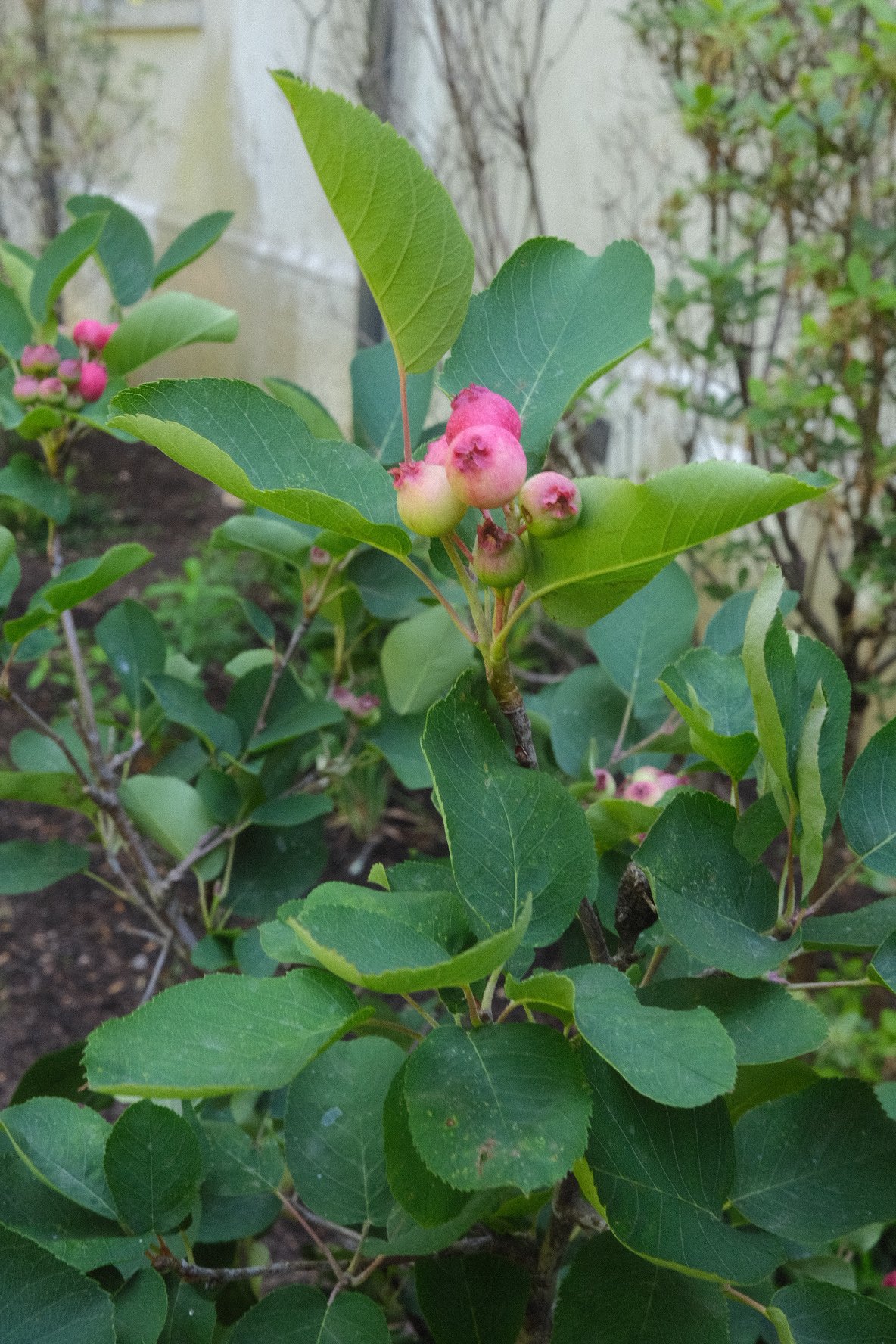
Studies show regenerative practices can support 30–50% more beneficial insects, and some have recorded over 100% increases in insect species and about 40% more bird species
The Garden that Gives back
Regenerative gardening is an approach to growing plant that restores soil health, increases biodiversity, and strengthens natural ecosystems. Instead of simply maintaining a garden, regenerative practices actively rebuild the living systems beneath our feet and create habitat for pollinators and wildlife.
Why Regenerative Gardening Matters.
Modern landscapes and conventional gardening practices have often focused on control. Focusing on removing insects, clearing natural debris, and relying on fertilizers and chemicals to maintain plant growth. Over time, these practices can weaken soil health, reduce biodiversity, and disconnect gardens from the ecosystems around them.
Regenerative gardening takes a different approach. Rather than maintaining plants, it focuses on rebuilding the living systems that support them. Healthy soil is the foundation of this process. Beneath the surface, billions of microorganisms, fungi, and invertebrates work together to cycle nutrients, improve soil structure, and support resilient plant life. When gardeners protect and nurture this underground ecosystem, the benefits extend far beyond the garden itself.
Regenerative gardens help support pollinators, birds, and beneficial insects by creating diverse habitats and chemical free food sources. They also improve water retention in soil, making landscapes more resilient during drought and reducing runoff during heavy rains. By returning organic matter to the soil and encouraging plant diversity, regenerative gardens can even help store carbon and contribute to healthier local ecosystems.
In this way, a garden becomes more than a place for plants, it becomes a part of restoring the natural balance of the land.
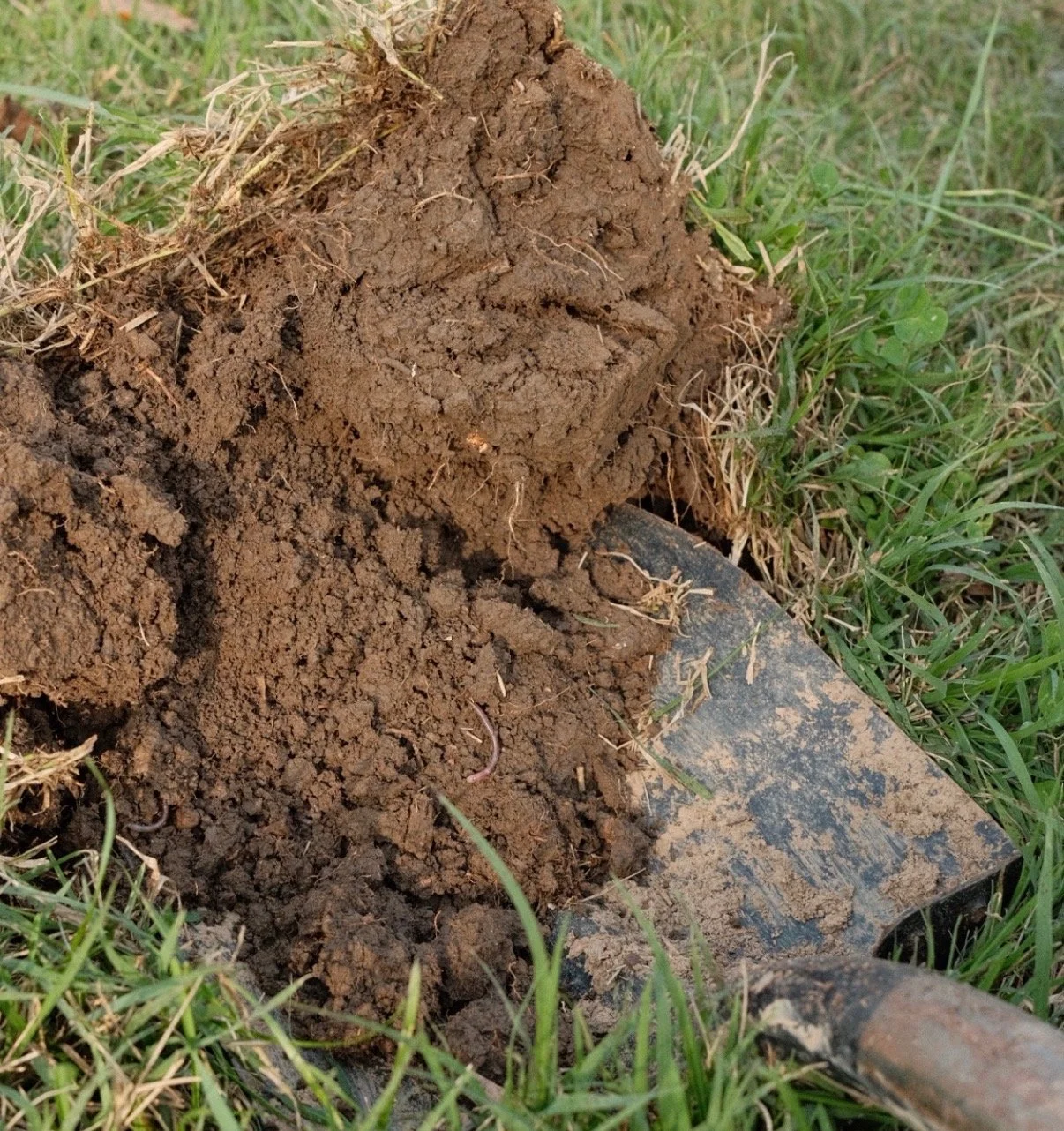
Every 1% increase in soil organic matter can help soil hold 20,000–25,000 more gallons of water per acre
Regenerative Principals
How to think when planning your garden space. Each space will be unique to the region, space, soil, and sun exposure. These principles can be applied to any area in which you plant to start your garden. It is important to consider key principles that work with nature rather than control it.
-
Healthy soil is the foundation. Beneath the service lives a community of microorganisms, fungi, insects, and earthworms. Creating an environment for this community to thrive will be the building blocks to grow from.
-
In natural ecosystems, soil is rarely left bare. Plants, leaf litter and organic Debis protect the ground from erosion, extreme temperatures and moisture loss.
-
Nature thrives with diversity. A wide variety of plants encourages a balanced ecosystems of insects, birds, and soil organisms. Planting a diverse range of grasses, trees, flowering plants, and shrubs creates layered habitats that support wildlife while improving the resilience of the garden.
-
Frequent digging, tilling and chemical use can disrupt soil structure and the delicate networks of fungi and microbes that support plant growth. Regerativee gardening aims to minimize these. Allowing soil to naturally develop over time created strong building blocks for any graden
-
In the forest/natural landscapes, organic matter constantly falls to the ground, decomposes and returns nutrients to the soil. Embracing this cycle through composting, mulching, and allowing natural materials like leaves and plant debris to nourish the soil and ground of your garden.
Regenerative Practices
Once you understand the principles of regenerative gardening, the next step is what to do in your spaces. These simple actions help restore soil health, support biodiversity, and create gardens that work in harmony with natural systems.
-
Spend time understanding your space before making changes. Notice where sunlight falls throughout the day, how water moves after rain, and what plants or wildlife already exist. Careful observation helps guide plant choices and garden design.
This will help you plan and choose your plants to fit the environment you are supporting. -
Regularly add compost, leaf litter, or aged organic material to garden beds. These materials feed soil organisms and improve soil structure, allowing roots, microbes, and earthworms to thrive.
Avoid tilling or ground disturbances to allow the underground community to establish -
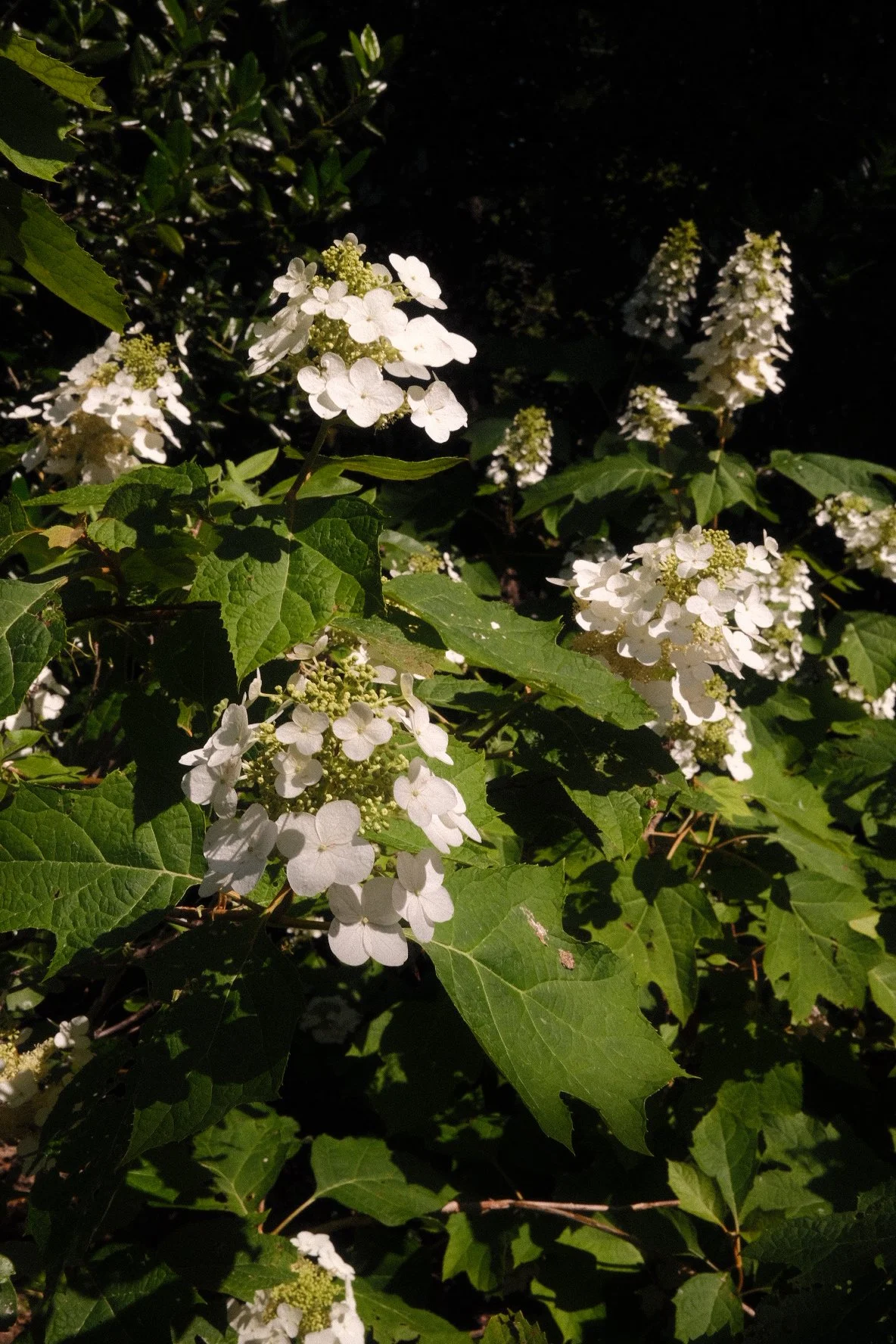
Regenerative gardens benefit from a diversity of plants that serve different roles in the landscape. By combining native flowers, grasses, shrubs, and trees, you can create a layered habitat that supports the ecosystem throughout the year.
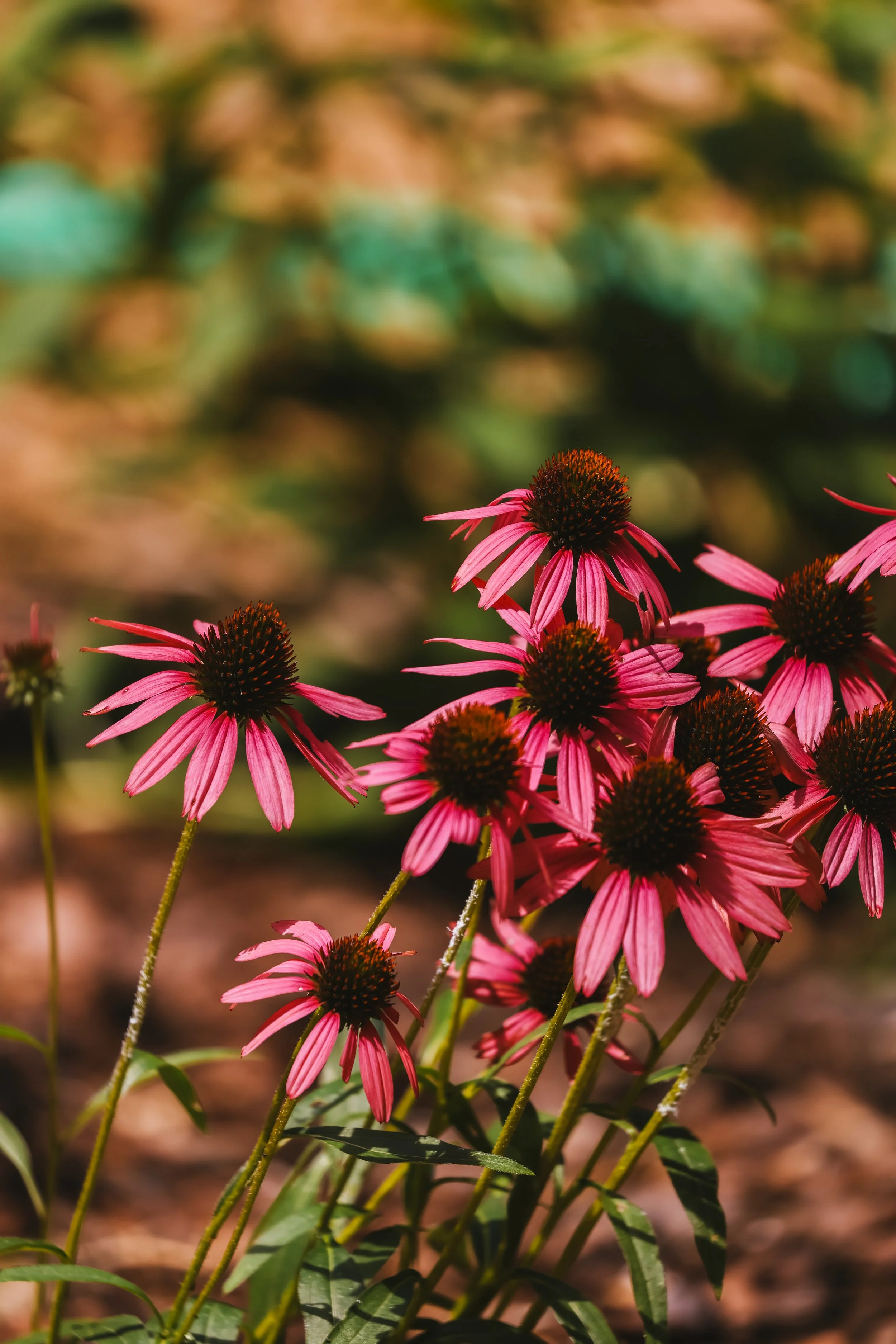
For example, in Nashville, Tennessee (Zone 7) a diverse planting might include purple coneflower, black-eyed Susan, and bee balm for pollinators, little bluestem or switchgrass for structure and habitat, and shrubs like serviceberry or American beautyberry for birds. Trees such as oak, redbud, or dogwood add canopy and long-term ecological value.
Planting species that bloom and provide food at different times of the year helps create a more resilient garden that supports wildlife. Research your local zone and native plants suited to your region.
-
Instead of removing plant debris, return it to the soil when possible. Compost food scraps, leave some plant matter to decompose, and use fallen leaves as mulch.
-
The goal of reiterative farming that over time the system becomes self sustaining. As soil health improves, regenerative gardens often require fewer fertilizers, pesticides, and outside resources.
Eventually the natural environment will create its own fertilizers, food cycles that help with pest problems and nature’s gardeners will start lending a hand. Like butterflies, fungi, beetles and more.
Stewarding the Land for our Climate
Regenerative gardening doesn’t just support your plants and wildlife, it can also help mitigate climate change. Healthy, compost-rich soils act as carbon sinks, storing an estimated 0.5–2 tons of CO2 per 1,000 square feet of garden each year. By reducing chemical fertilizers and pesticides, gardeners also lower emissions of greenhouse gases such as nitrous oxide and CO2 that are associated with conventional inputs.
Gardens that build soil organic matter retain 20–30% more water than degraded soils, reducing runoff during heavy rains and helping plants survive dry spells. Planting a variety of native flowers, grasses, shrubs, and trees increases biodiversity, which studies show can improve ecosystem resilience and support up to 30–50% more pollinators and beneficial insects compared with monoculture plantings.
Even small gardens can create microclimates, shading soil and retaining moisture, which helps pollinators, soil microbes, and other beneficial organisms thrive. Over time, regenerative gardens become self-sustaining systems, reducing the need for external inputs and supporting landscapes that work with natural cycles rather than against them.
Small Ways to Start
-
![]()
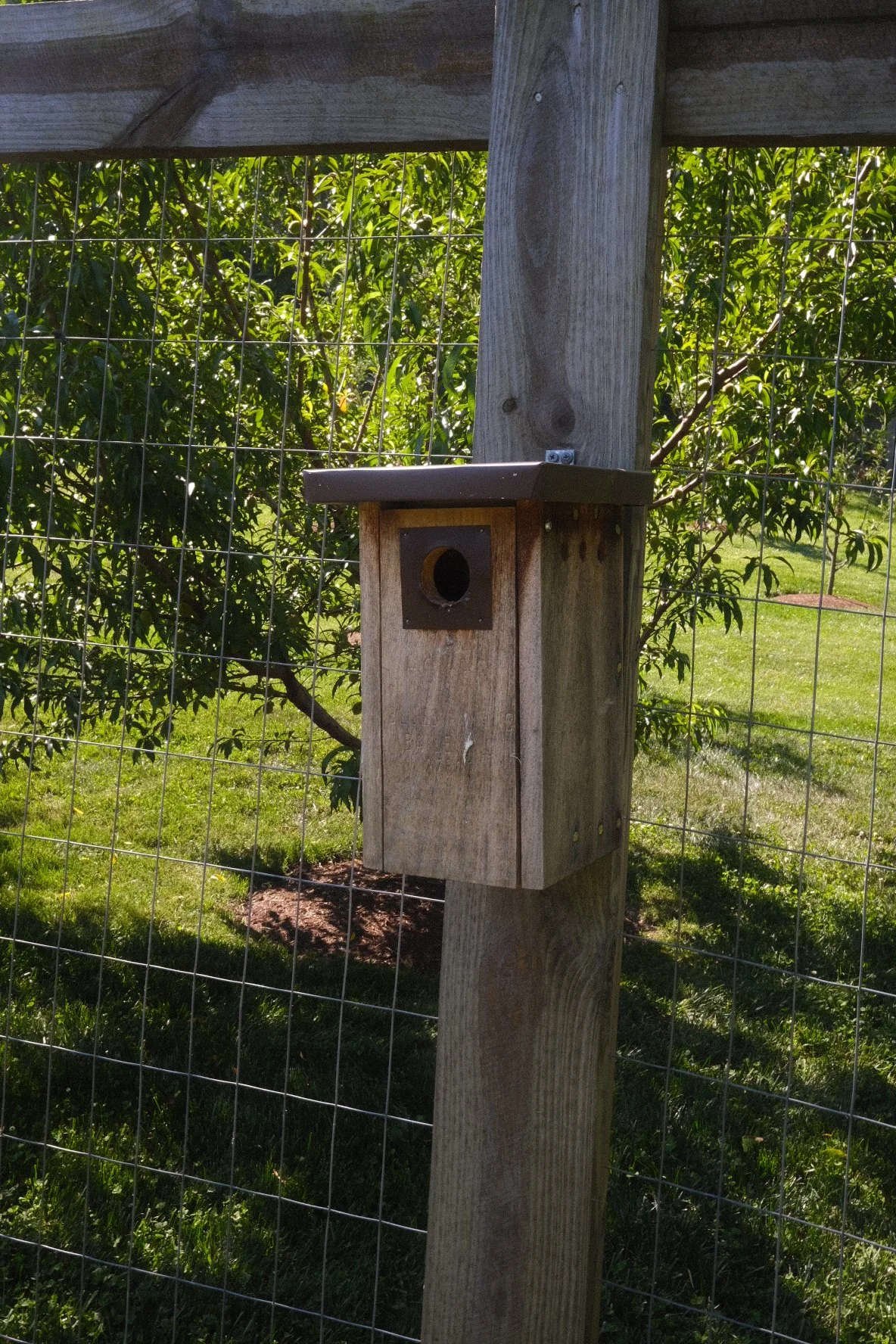
Bird Houses and Nesting Boxes
Provide shelter for native birds that help control pests and pollinate plants.
-
![]()
Pollinator-friendly Flowers
Even a single patch of bee balm, coneflower, or milkweed helps support pollinators.
-
![]()
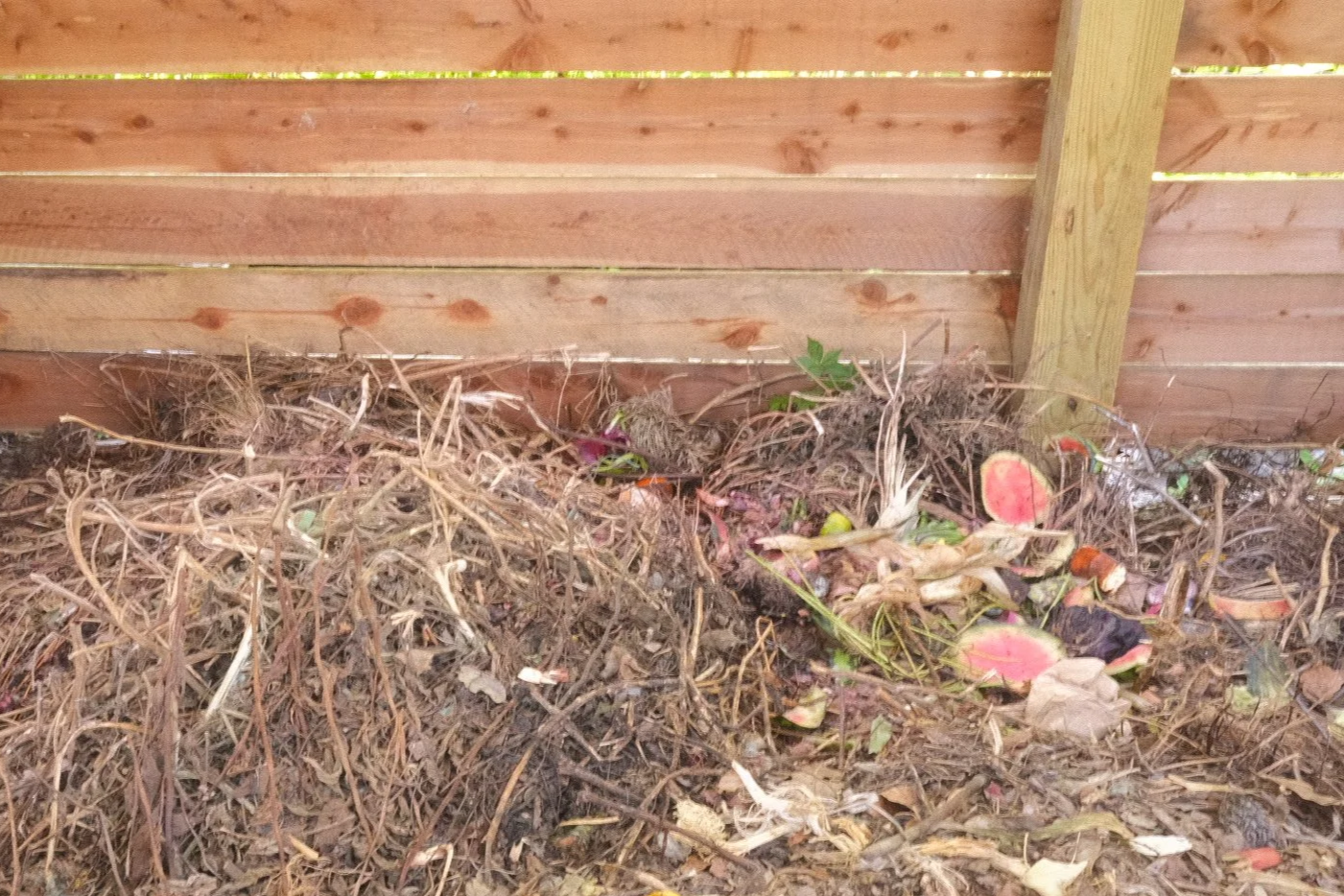
Compost Bin or Worm Bins
Turn kitchen scraps and yard waste into nutrient-rich soil for your plants. Visit our Compost Center for more info.
-
![]()
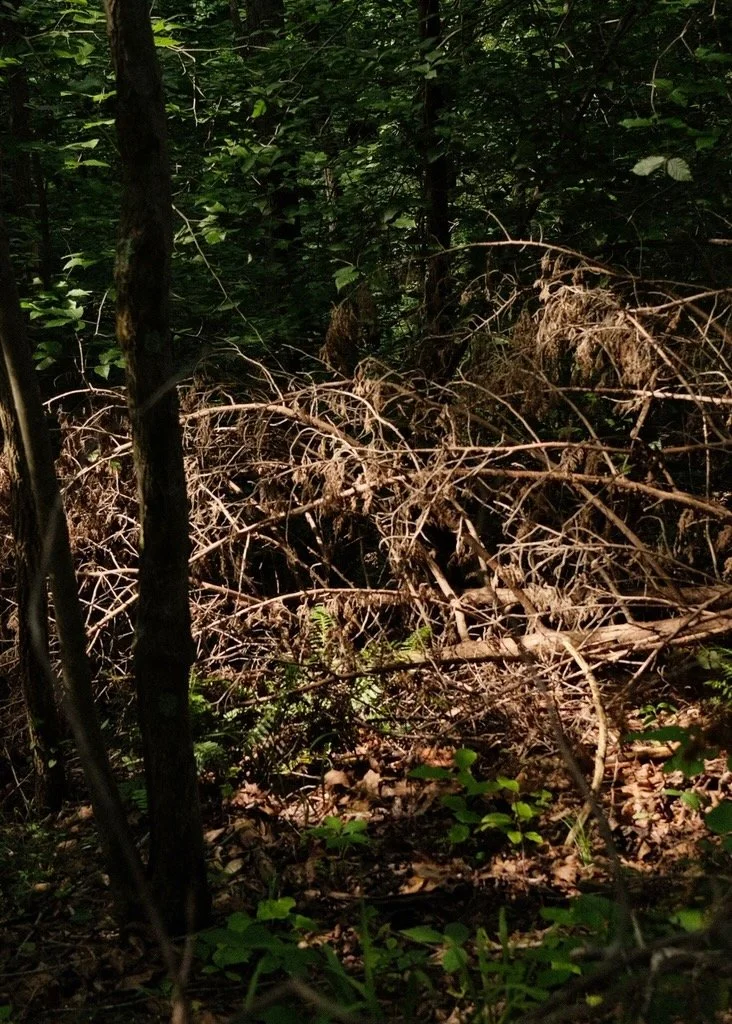
Brush Piles or Logs
Small piles of sticks or logs can provide shelter for insects, amphibians, and small mammals. You can even name your log hotel.